


Key Takeaways
- Ontario has experienced a 157% increase in ADHD prescriptions since 2015, raising questions about overdiagnosis and developments in ADHD management strategies.
- ADHD prescription growth in Ontario highlights ongoing debate over diagnostic criteria and accessibility of care.
- Increased screen time is linked to worsening ADHD symptoms and changes in brain structure among children.
- Exercise, when added to standard care, leads to notable reduction of ADHD symptoms for many individuals.
- AI tools are emerging as adaptive supports for learning needs in neurodivergent educational settings.
- Effective ADHD management strategies increasingly combine medical, behavioral, and technological solutions.
Introduction
On 12 December 2025, a 157% surge in ADHD prescriptions in Ontario since 2015 has triggered renewed debate about overdiagnosis, access to care, and the evolution of ADHD management strategies. This update explores the impact of rising screen time on child symptoms, alongside wider trends in medical, behavioral, and technology-driven support for neurodivergent communities.
Top Story
Ontario ADHD Prescriptions Surge 157% Since 2015
Ontario has recorded a 157% increase in ADHD prescriptions since 2015, according to recent public health data. Medical professionals and policymakers are expressing concern over potential overdiagnosis, changing diagnostic criteria, and the increased demand for ADHD-related healthcare services.
Experts stress the need for careful assessment as broader access to evaluations and greater public awareness may contribute to these trends. Dr. Rachel Martin, a pediatric neurologist, stated that rising prescriptions might reflect both improved screening and changing societal expectations regarding attention and behavior.
Debate is growing within the medical community about how to balance early identification with responsible prescribing practices. Advocates emphasize that comprehensive ADHD management strategies should include behavioral interventions and educational support alongside medication.
Also Today
Screen Time Worsens ADHD Symptoms in Children
Recent studies link increased screen time to an intensification of ADHD symptoms and notable changes in brain structure among children. Researchers from Western University’s Cognitive Neuroscience Group found that children with above-average daily screen exposure showed higher impulsivity and reduced attention spans.
Neuroimaging data revealed structural differences in regions associated with self-regulation among heavy device users. Dr. Linh Tran, who led the research, stated that limiting screen time and integrating structured offline activities can be a key part of effective ADHD management strategies.
Exercise Demonstrates Significant Symptom Reduction
Multiple clinical trials indicate that adding regular physical activity to standard ADHD care leads to meaningful symptom improvements. In a Canadian study tracking 300 children, participants who performed moderate exercise three times per week experienced improved attention and reduced hyperactivity compared to control groups.
Medical professionals now recommend exercise as a beneficial adjunct to therapy and medication, describing structured physical activity as both accessible and effective in managing mild to moderate ADHD symptoms.
AI Tools Adapt to Neurodivergent Learning Needs
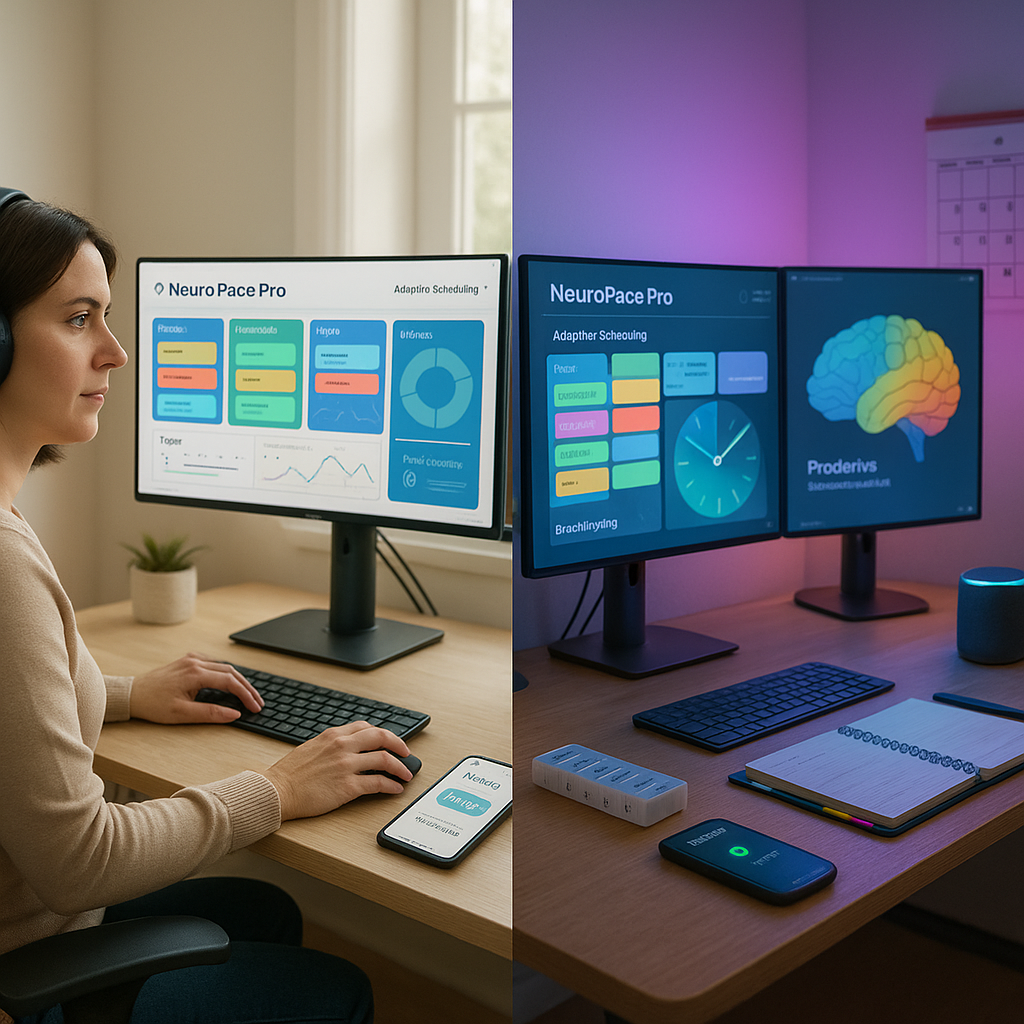
Recent advances in AI-powered educational software are providing new supports for students with ADHD. Adaptive learning platforms adjust lesson content and pacing in real time, based on user engagement and feedback.
Pilot programs across multiple school districts have shown higher retention and active participation among neurodivergent students using these platforms. Educators report that AI integration can reduce executive function burdens and increase overall engagement, making personalized learning more achievable.
Also Today
Major Tech Employers Expand Neurodiversity Programs
Microsoft, Google, and Adobe have announced expanded workplace accommodations for neurodivergent employees. These initiatives introduce flexible schedules, sensory-friendly environments, and productivity tools co-developed with neurodivergent staff.
Pilot studies demonstrated a 24% improvement in innovation and problem-solving in workplaces adopting these supports. Maria Rodriguez, Chief Diversity Officer at Microsoft, stated these changes benefit all employees but are especially valuable for those facing unique neurodivergent challenges.
The rollout will commence in North America in January 2026, with global expansion following. The companies will share practices through open-source frameworks for wider adoption across industries.
Executive Function Supports Identified for Adults with ADHD
Research published in the Journal of Attention Disorders found that environmental modifications, such as structured deadlines, minimized task transitions, and dedicated deep work periods, significantly enhance executive function for adults with ADHD. Monitoring 145 professionals, the study recorded a 31% average productivity increase over six months.
Dr. James Westfield, study author, noted that simple adaptations (visual management systems and reduced sensory distractions) support neurodivergent strengths while lowering cognitive load. Implementing these supports requires minimal resources but delivers substantial benefits in wellbeing and work quality.
Also Today
School Districts Adopt Evidence-Based ADHD Support Framework
Seventeen major U.S. school districts have implemented the Comprehensive Academic Support Protocol (CASP) designed for ADHD and executive function challenges. Integrating classroom accommodations, technology tools, and teacher training, CASP draws on recent neurodevelopmental research.
Early results show behavioral interventions decreased by 28% and assignment completion improved by 17% among students with ADHD in participating districts. Dr. Sarah Chen, educational psychologist and protocol co-developer, emphasized the move away from deficit-based interventions toward strength-focused support.
CASP includes strategies such as movement breaks, visual schedules, and personalized tech tools to meet individual student needs.
Personalized Learning Technology Improves Outcomes
A twelve-month study on adaptive learning platforms for neurodivergent students revealed a 42% increase in on-task behavior and improved knowledge retention for ADHD students versus traditional methods. Conducted across 32 schools, the study highlighted the impact of real-time feedback and difficulty adjustment on maintaining attention and reducing frustration.
Dr. Marcus Johnson, educational technology researcher, stated that features like gamification, chunked content, and organizational aids contribute to the effectiveness of these tools. School reports show that these platforms reduce the need for specialized interventions while improving academic results.
What to Watch
- International Conference on Neurodiversity in the Workplace: 15 to 17 January 2026, San Francisco
- FDA Advisory Committee meeting on adult ADHD treatment guidelines: 3 February 2026
- Release of updated DSM-5-TR ADHD diagnostic criteria: March 2026
- National ADHD Awareness Week: 4 to 10 October 2026, nationwide events and educational programs
- Applications open for Neurodiversity Innovation Grant program: 1 December 2026, funding workplace accommodation research
Conclusion
Ontario’s surge in ADHD prescriptions and new research linking screen time to worsening child symptoms signal significant changes in how ADHD is identified and managed. As organizations and educational systems implement more inclusive ADHD management strategies, evidence points to considerable benefits from blended medical, behavioral, and technological interventions. What to watch: Key conferences, updated clinical guidelines, and revised diagnostic criteria in early 2026 are expected to influence the next phase of care and support.



Leave a Reply