

Key Takeaways
- Top story: A study reveals shared brain patterns in autism and ADHD, generating new discussions about diagnosis and support.
- Teens are warned against relying on AI chatbots as substitutes for qualified mental health care.
- Long-term stimulant tolerance may affect the effectiveness of ADHD medications over time.
- Smart medication trackers are improving adherence for ADHD patients and supporting daily routines.
- There is increased dialogue about the importance of individualized neurodivergent care pathways.
Introduction
On 22 November 2025, new research revealed shared brain patterns between autism and ADHD, prompting renewed discussions around diagnosis and support for neurodivergent individuals. Additional developments include concerns over long-term stimulant tolerance affecting ADHD medication effectiveness, advances in mental health technology, and an evolving focus on individualized care.
Top Story
ADHD and Autism Share Brain Patterns
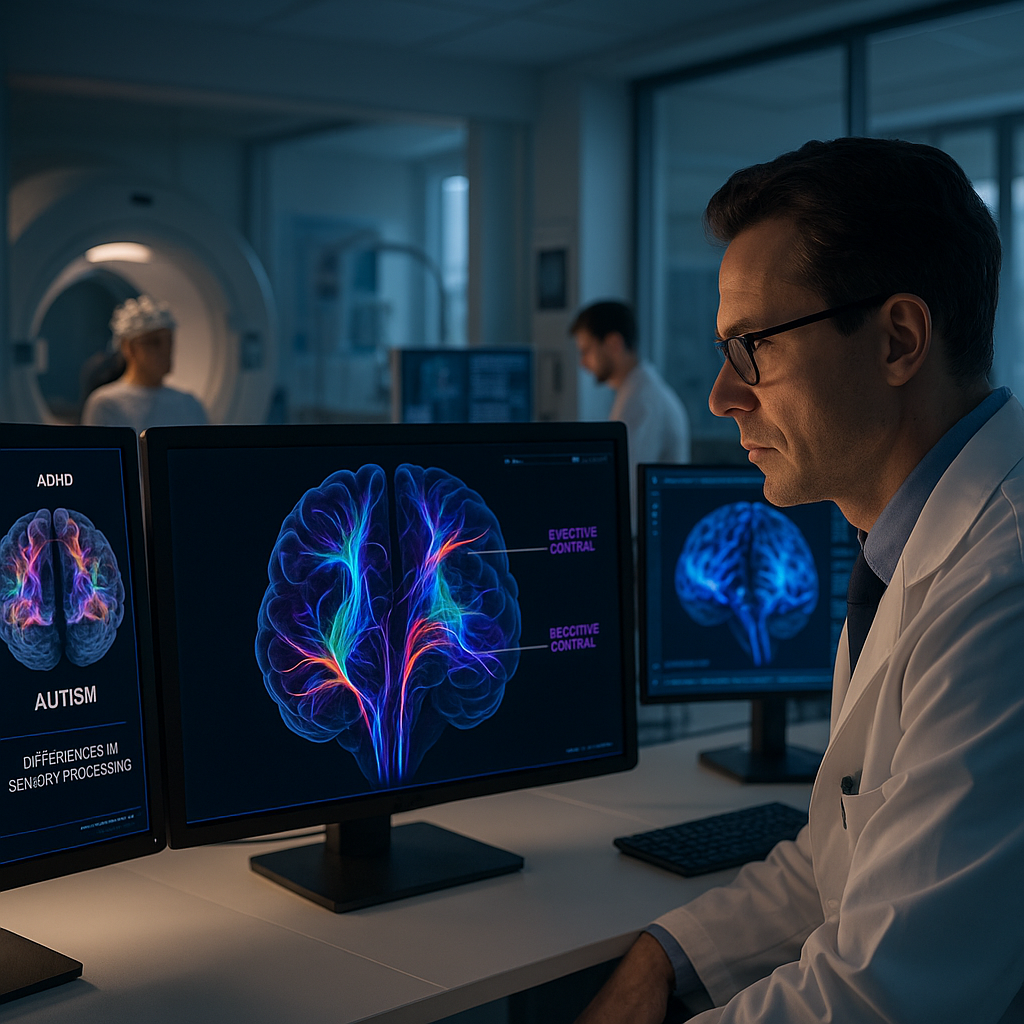
Scientists at Stanford University have identified shared neural pathways in ADHD and autism, suggesting a common neurobiological foundation for both conditions. The study, published in Nature Neuroscience on 20 November 2025, employed advanced brain imaging techniques on 2,500 participants, making it the largest study of its kind to date.
Researchers observed similar patterns in the brain’s default mode network and executive control regions across both conditions. These patterns were consistent regardless of age, gender, or symptom severity. This challenges earlier views that considered the conditions entirely separate.
Dr. Sarah Chen, the study’s lead author, stated that these findings shift perspectives on neurodevelopmental conditions by indicating the presence of a spectrum with overlapping neurological characteristics rather than strictly separate diagnoses.
The research also found more pronounced differences in sensory processing regions for autism. Attention network variations were more typical of ADHD. This distinction helps explain unique symptom profiles despite a shared neurobiological basis.
Also Today
Technological Innovations
Adaptive AI Tools Show Promise for Neurodivergent Users
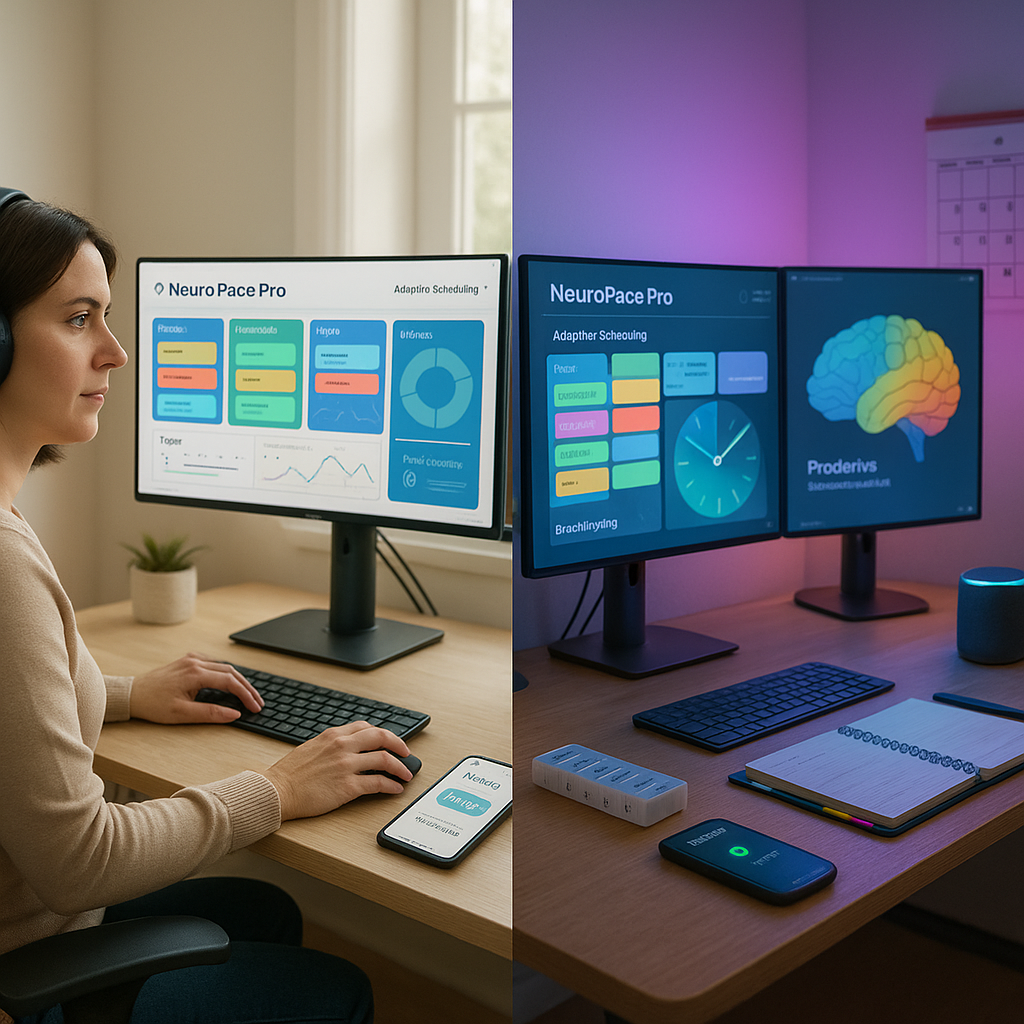
Microsoft released preliminary results from its Adaptive Interfaces Project, reporting that AI systems tailored to neurodivergent cognitive styles improved task completion by 47%. The year-long study involved 350 neurodivergent professionals using workplace software with adjustable interfaces.
Adaptive systems detected user behavior patterns and automatically adjusted interfaces to reduce distractions, enhance focus, and provide alternative navigation methods. For ADHD users, micro-deadlines and visual timers were introduced, while consistent layouts and predictable interactions benefited autistic participants.
Rhonda Lee, Microsoft’s Director of Accessible Innovation, stated that technology should adapt to humans and emphasized the value of recognizing neurodivergent thinking as an asset.
Microsoft plans to integrate these features into its main productivity suite starting January 2026. Beta testing will open to the public on 15 December 2025.
Sensory-Friendly Office Design Standard Established
The International Workplace Design Council introduced comprehensive guidelines for sensory-friendly work environments, targeting greater workplace inclusion for neurodivergent professionals. Developed in collaboration with neurodivergent advisors, the framework recommends modifications in lighting, acoustics, spatial organization, and provides for sensory retreat spaces.
Organizations such as Salesforce and Adobe, early adopters of the guidelines, reported a 22% increase in job satisfaction among neurodivergent employees and a 15% overall productivity improvement following implementation. The framework emphasizes flexible, customizable solutions to accommodate individual sensory profiles.
Dr. Marcus Worthington, an autistic architect involved in the project, noted that recognizing neurodivergent needs as universal design principles benefits all staff rather than treating them as special accommodations.
Educational Developments
Evidence-Based Coaching Program Shows Lasting Impact
The Neurodiversity at Work coaching initiative released three-year follow-up results demonstrating sustained improvements in career advancement for neurodivergent professionals. Participants experienced 36% higher retention rates and 28% more frequent promotions compared to control groups.
The program, developed by occupational psychologists with personal experience of neurodivergence, focuses on leveraging strengths rather than masking differences. Core elements include executive function support, translation of communication styles, and energy management strategies adapted to neurodivergent cognitive profiles.
Program director Jamie Okonkwo explained that the approach centers on identifying innate cognitive advantages and creating personalized systems aligned with participants’ thinking styles.
Outcomes improved further when both neurodivergent employees and their managers received joint training, building shared understanding and language around neurodivergent work styles.
School District Reports Success with Strength-Based Approach
Portland Unified School District reported first-year results from its Neurodiversity Affirmative Education Program, noting significant advances in both academic achievement and student wellbeing. Implemented across 27 schools, the initiative focuses on building upon students’ natural cognitive strengths instead of remediating challenges.
Data from more than 1,200 neurodivergent students showed a 31% reduction in school avoidance, a 24% improvement in assignment completion, and a 40% increase in students’ reported sense of belonging. Teachers received training to recognize and adapt to neurodivergent cognitive styles.
Superintendent Maria Gonzalez stated that the shift in approach involved designing learning environments that suit students’ natural thinking styles, which the results support.
The program features interest-based learning, flexible seating, and multiple options for demonstrating knowledge beyond conventional testing.
What to Watch
- Neurodiversity in Tech Summit: 5–7 December 2025, San Francisco, with virtual attendance available
- International Conference on ADHD: 15–18 January 2026, London
- Applications for the Neurodivergent Leadership Accelerator Program due: 10 December 2025
- Stanford Neurodevelopmental Research Center Open House: 30 November 2025, featuring live demonstrations of new brain imaging techniques
Conclusion
Stanford’s research revealing shared brain patterns in autism and ADHD represents significant progress toward a unified understanding of neurodevelopmental conditions. This breakthrough is shaping both diagnosis and workplace strategies. Meanwhile, technological and educational fields are adopting adaptive systems and inclusive environments. What to watch: upcoming conferences and research events in December 2025 and January 2026 that may further influence the landscape of neurodivergent support.



Leave a Reply