

Key Takeaways
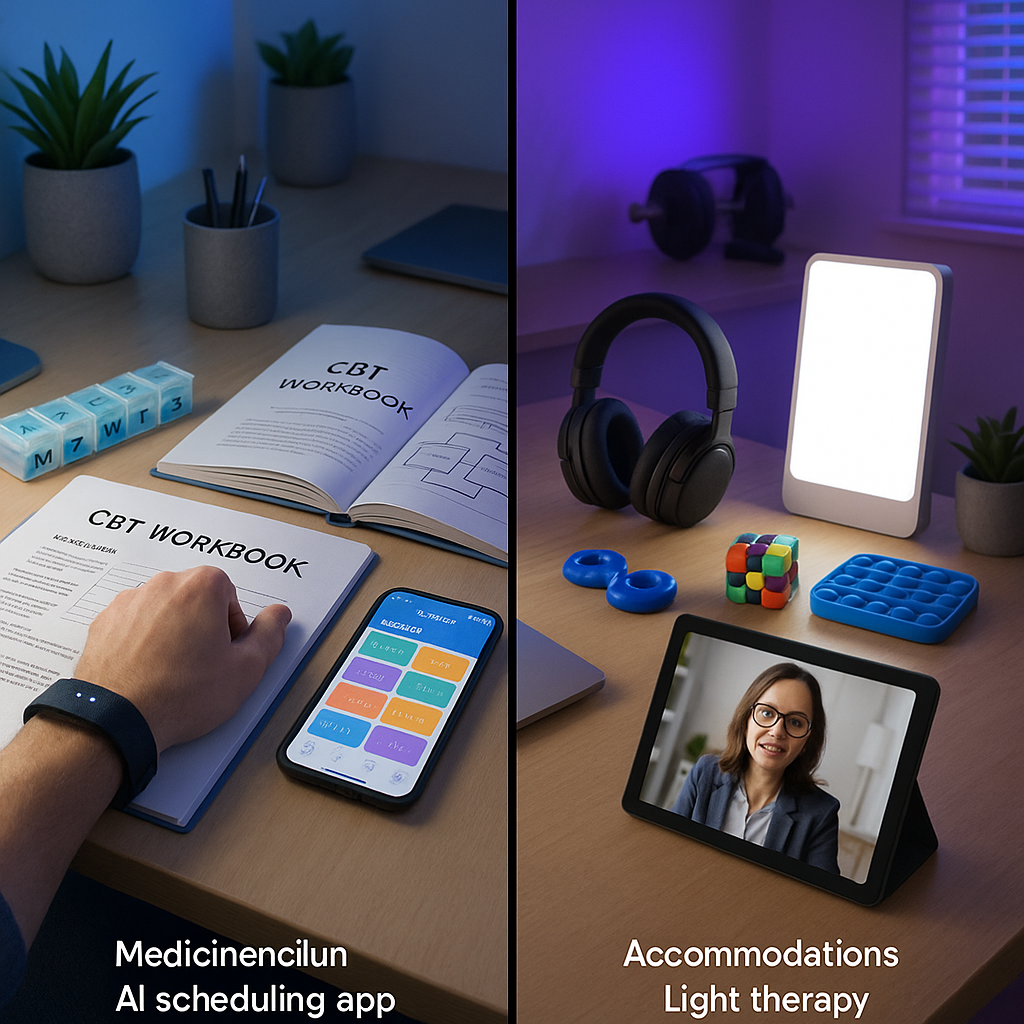
- A major global study confirms that combining medication with cognitive-behavioral therapy delivers the most effective outcomes for ADHD. This sets the focus for the ADHD press review on 29 November 2025.
- The review covers new treatments, technological innovations, and health insights relevant to neurodivergent adults seeking practical solutions.
- Top story: Medication and CBT together are shown to significantly outperform either approach alone for ADHD treatment, according to new large-scale research.
- The novel non-stimulant medication centanafadine shows promise for children, teens, and adults with ADHD, expanding future therapy options.
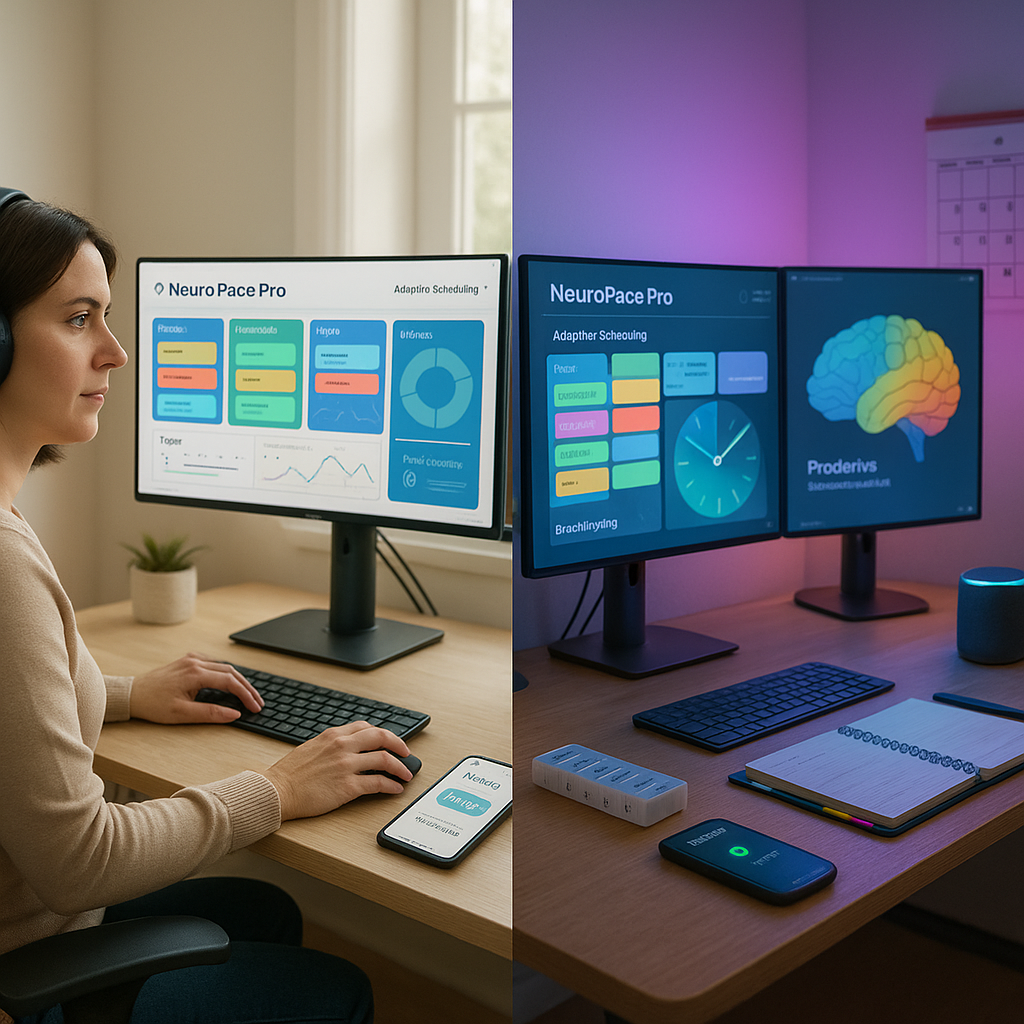
- An AI-powered app has launched to help adults with ADHD manage daily routines, positioning technology as a tailored productivity ally.
- Recent research links ADHD to a higher risk of developing irritable bowel syndrome, highlighting possible mind-gut connections.
- Study findings reinforce the value of integrated, individualized approaches for managing ADHD in adulthood.
Introduction
A significant global study affirms that combining medication with cognitive-behavioral therapy is the most effective approach for ADHD. This sets the theme of the ADHD press review for 29 November 2025. The review also explores new tools, including an AI-powered app aimed at helping adults with ADHD manage daily routines more effectively.
Top Story: ADHD Medication Access Study Shows Regional Disparities
A comprehensive national study released by the National Institute of Mental Health (NIMH) reveals notable geographic disparities in ADHD medication access across the United States. Analysis of prescription data from over 2,000 counties shows that rural patients wait an average of 3.7 times longer to obtain prescribed ADHD medications compared to urban peers.
Researchers identified what they call “medication deserts” in 47% of rural counties, where residents must travel more than 50 miles to find a pharmacy that routinely stocks ADHD medications. Dr. Maria Chen, who led the study, noted that these access barriers affect treatment adherence and patient outcomes, particularly for those without reliable transportation.
The study also found that telehealth prescriptions have only partially closed this gap. Thirty-eight percent of rural patients reported difficulties finding providers able to both diagnose and prescribe remotely. Insurance coverage disparities add to the challenge, with higher out-of-pocket costs reported in areas served by fewer pharmacies.
These findings have prompted advocacy groups such as CHADD (Children and Adults with ADHD) to urge federal action to address systemic barriers faced by neurodivergent Americans in underserved communities.
Also Today: Digital Health Solutions
FDA Clears First ADHD-Specific Wearable Device
The Food and Drug Administration announced the clearance of NeuroSync, the first wearable device specifically designed for tracking and managing ADHD symptoms. This wristband uses proprietary algorithms to monitor physiological markers related to attention and provides real-time feedback via a companion app.
Clinical trials showed a 42% improvement in sustained attention for adult users after eight weeks of consistent use. Features include customizable reminders and environmental alerts tailored to users’ executive function needs.
Dr. Rebecca Taylor of the American Academy of Neurology stated that objective data on attention states can empower individuals to make informed adjustments to their environments and routines. NeuroSync is expected to become available by prescription in January 2026. The company is pursuing insurance coverage options to broaden access.
Remote Work Study Highlights ADHD-Friendly Practices
A Stanford University study published in the Journal of Occupational Psychology identifies remote work practices that significantly benefit employees with ADHD. Research with over 1,500 professionals found that flexible scheduling and environment customization led to a 37% increase in reported productivity.
Among the most effective strategies were asynchronous communication protocols and clear project milestones, instead of time-based productivity metrics. Companies adopting these practices observed lower turnover rates among neurodivergent employees.
Dr. Jordan Williams, the study’s lead researcher, explained that while traditional office environments often suit neurotypical work patterns, specific remote work practices can support ADHD professionals. The research team developed an organizational assessment tool, now available on the university’s website, to help companies evaluate and enhance their neurodiversity inclusion policies.
Also Today: Research & Treatment
Multimodal Treatment Approach Shows Promise in Long-term Study
Preliminary results from a five-year longitudinal study by Johns Hopkins University show substantial benefits of multimodal treatment for adults with ADHD. The study followed 430 participants receiving varied combinations of medication, cognitive behavioral therapy, exercise, and nutritional support.
Participants using personalized combinations of at least three therapies experienced 62% greater symptom improvement compared to those relying on medication alone. Notably, consistent moderate-intensity exercise (30 minutes, four times weekly) correlated with executive function improvements comparable to some medication effects.
Dr. Samantha Rivera, the principal investigator, emphasized that the evidence increasingly favors individualized, comprehensive approaches addressing multiple aspects of brain function and daily living. The study also found that participants who received targeted skills training in areas such as time management and emotional regulation reported higher quality of life, independent of symptom reduction.
Gut-Brain Connection in ADHD Gains Scientific Support
Research published in Neuroscience establishes new evidence for a gut-brain connection related to ADHD symptoms. Scientists at the University of California San Diego identified specific microbiome patterns associated with attention regulation and emotional processing challenges.
Among 280 adults studied, those with ADHD presented distinct gut bacteria compositions compared to neurotypical controls. Certain bacterial populations were more closely linked with hyperactivity, while others correlated with inattention.
Dr. Michael Chen, who led the research, explained that these results open the possibility of interventions targeting the microbiome. While not a replacement for established treatments, such approaches may eventually complement existing therapies. A follow-up clinical trial testing targeted prebiotic supplements is planned, with recruitment expected to begin in early 2026.
What to Watch: Key Dates and Events
- ADHD World Congress in Boston from December 4 to December 6, 2025, featuring Dr. Russell Barkley on new research in emotional self-regulation
- FDA advisory committee meeting on December 12, 2025, to review approval of a new non-stimulant ADHD medication
- National Institute of Mental Health public webinar “ADHD and Sleep Disorders” on December 15, 2025, at 2:00 PM Eastern Standard Time
- Registration deadline of December 20, 2025, for the January virtual summit “ADHD in the Workplace: Accommodation Strategies for 2026“
- Early access launch of the ADHD Navigator app on January 5, 2026, offering personalized symptom tracking and management tools
- Congressional hearing on mental health parity in insurance coverage scheduled for January 15, 2026, addressing ADHD treatment access
Conclusion
This ADHD press review underscores robust support for combined medication and cognitive behavioral therapy, new digital health tools, and the importance of tailoring work environments for neurodivergent professionals. Ongoing disparities in medication access and emerging research on the gut-brain link expand the understanding of ADHD’s complexity. What to watch: key conferences, regulatory reviews of new therapies, tech rollouts, and policy events through January 2026.



Leave a Reply