

Key Takeaways
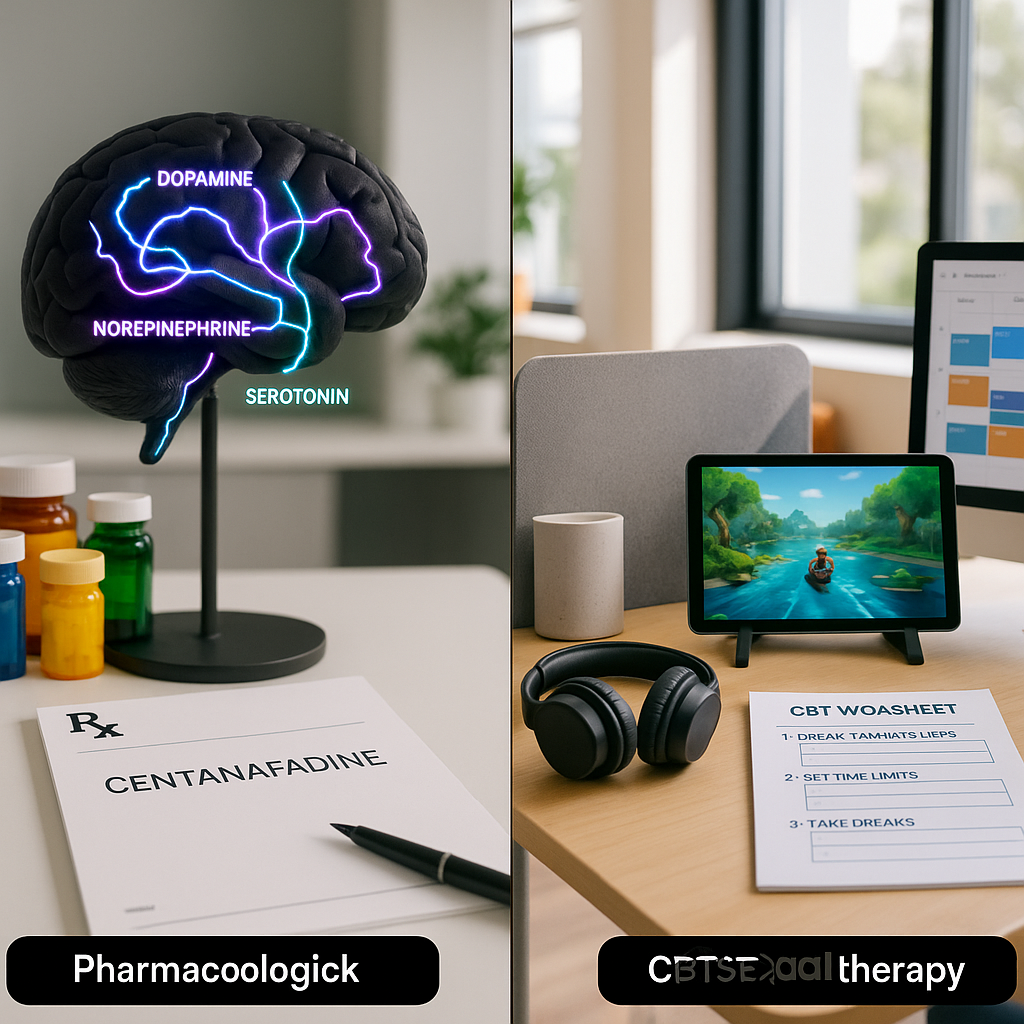
- Top story: Landmark research confirms medication and cognitive behavioral therapy (CBT) as the most effective interventions for ADHD management.
- Adult ADHD medication shortages reveal critical gaps in treatment access for many individuals.
- AI-powered application launches to help neurodivergent entrepreneurs build custom productivity systems.
- Otsuka submits New Drug Application for centanafadine, a novel ADHD medication for children.
- What to watch: FDA decision on centanafadine expected in early 2026.
Introduction
On 28 November 2025, a landmark study identified medication and cognitive behavioral therapy as the leading approaches for ADHD management. This establishes new reference points in ADHD research and innovations. Meanwhile, ongoing adult medication shortages highlight persistent gaps in treatment access. The day brings both progress and urgent challenges for the neurodivergent community.
Top Story
A novel ADHD medication, centanafadine, demonstrated significant efficacy in reducing core symptoms in adults during Phase III clinical trials, according to research published this week in the Journal of Psychiatric Research. The non-stimulant medication showed statistically significant improvements compared to placebo in both inattention and hyperactivity-impulsivity domains.
Researchers highlighted centanafadine’s unique triple reuptake inhibitor mechanism, targeting dopamine, norepinephrine, and serotonin neurotransmitters. Dr. Sarah Martinez, principal investigator at the Neuroscience Research Institute, stated that this differentiated mechanism of action may benefit patients who do not respond adequately to current therapies.
Reported side effects were generally mild to moderate, mainly headache, nausea, and insomnia. The study reported no clinically significant cardiovascular effects or abuse potential.
Otsuka, the pharmaceutical manufacturer, has submitted a New Drug Application to the FDA following these results. Industry analysts indicated this could be the most significant addition to the ADHD medication landscape in over a decade.
Also Today
ADHD Treatment Access
Insurance Denials for ADHD Treatment Rising
A nationwide analysis by the Patient Access Network reveals a 23% increase in insurance claim denials for ADHD medications and therapies over the past 18 months. The report highlights substantial disparities in rural areas, where denial rates exceed those in urban centers by nearly 15 percentage points.
Prior authorization requirements have become more stringent, with 68% of providers reporting delays of two weeks or longer before patients can obtain prescribed treatments. The research found that these administrative barriers disproportionately affect adults seeking first-time ADHD diagnoses.
Patient advocacy groups are calling for policy reforms to address these systemic obstacles. Michelle Rodriguez, executive director of the National ADHD Coalition, stated that delaying or denying evidence-based treatments leads to preventable consequences in academic, professional, and personal domains for people with ADHD.
Digital Therapeutic Receives Coverage Expansion
EndeavorRx, the FDA-cleared prescription digital therapeutic for children with ADHD, will be covered by three additional major health insurers starting in January 2026. This coverage expansion will extend access to approximately 28 million more Americans, according to Akili Interactive.
The video game-based treatment, which uses adaptive algorithms to target attention function, has demonstrated clinically meaningful improvements in sustained attention during trials. Health insurers referenced growing real-world evidence supporting its effectiveness as an adjunct to traditional treatments.
Health economists note this shift reflects increasing openness among payers toward covering evidence-based digital therapeutics, particularly those with FDA clearance and comprehensive clinical data. Jason Kim, a healthcare policy analyst, explained these developments as significant for the field.
Neurodiversity in the Workplace
Companies Launch ADHD-Inclusive Workplace Program
A consortium of technology companies, including Adobe, Microsoft, and Salesforce, announced the creation of the Neurodiversity at Work Alliance. This collaborative initiative focuses on developing more inclusive work environments for employees with ADHD and other neurological differences. The program will produce standardized accommodation protocols and training resources for implementation across member organizations.
Early pilot programs have shown positive outcomes. Participating companies reported a 34% improvement in neurodivergent employee retention compared to traditional approaches. These findings are consistent with earlier research showing that accommodations like flexible work arrangements and reduced sensory stimulation can significantly improve productivity.
The initiative features a mentorship component pairing experienced neurodivergent professionals with newer employees. Marcus Chen, a Microsoft software engineer who participated in the pilot, stated that having a mentor who understands one’s cognitive style helps navigate workplace challenges.
Research Identifies Optimal Accommodations
A meta-analysis published in the Journal of Occupational Health Psychology has identified the most effective workplace accommodations for employees with ADHD. The study reviewed data from 47 workplace studies conducted between 2015 and 2025.
Task segmentation strategies, environmental modifications to reduce distractions, and flexible deadlines provided the most benefit for job performance. While these accommodations primarily benefited neurodivergent employees, neurotypical employees noted advantages as well.
The study’s lead author, Dr. Amara Williams of Columbia University, emphasized the importance of individualized accommodation planning. She noted that while broad interventions show statistical significance, implementation should be tailored to each individual’s unique strengths and challenges.
What to Watch
- The FDA decision on centanafadine’s approval is expected by 15 December 2025, following the agency’s priority review designation granted in June.
- The International Conference on ADHD will take place in Barcelona from 22 to 24 January 2026, featuring presentations on emerging treatments and management strategies.
- The National Institute of Mental Health is set to release updated ADHD treatment guidelines on 5 December 2025, reflecting the latest research on medications, therapy, and digital interventions.
Conclusion
Recent advancements in ADHD research and innovations mark significant progress in medical and workplace support. Centanafadine and digital therapeutics are expanding treatment choices, even as access challenges persist, especially for adults. Policymakers and employers are increasingly recognizing the necessity of evidence-based accommodations. What to watch: FDA and NIMH decisions, as well as the International Conference on ADHD, are poised to shape future therapies and clinical practice.




Leave a Reply