

Key Takeaways
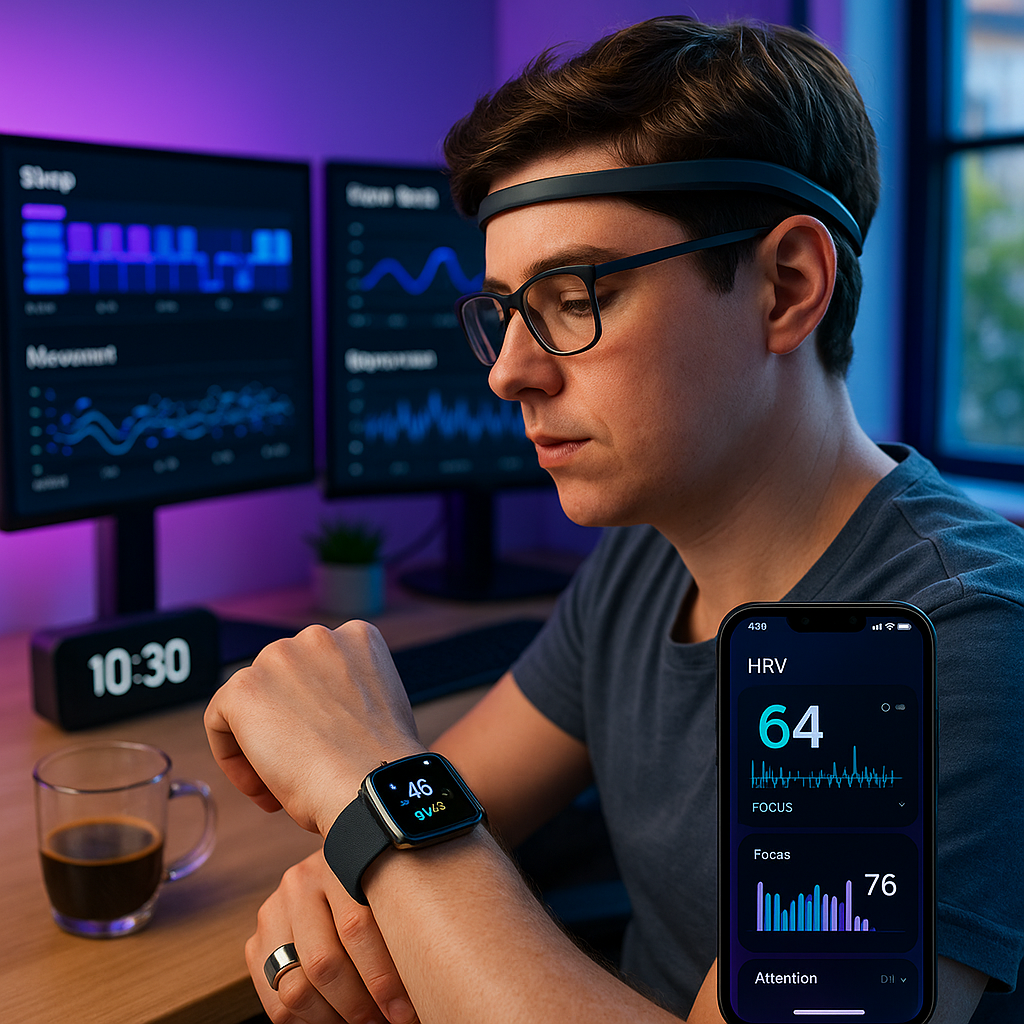
- Smart trackers decode ADHD patterns in real time: Wearables such as smartwatches and rings go far beyond basic fitness tracking by monitoring heart rate, movement, and sleep. These devices translate everyday behaviors into actionable ADHD data, empowering both users and clinicians to make informed decisions about wellness and symptom management.
- Personalized sleep tracking reveals hidden influences: Advanced sleep analytics unlock connections between disrupted rest and ADHD symptoms. By understanding how fluctuations in sleep quality impact focus and impulsivity, users can optimize nightly routines and address sleep-related barriers to daily performance.
- Movement sensors transform hyperactivity into insights: Devices equipped with advanced actigraphy and accelerometers capture micro-movements that indicate restlessness or periods of inactivity. This objective feedback translates hyperactivity into measurable data, enabling more targeted behavioral and clinical interventions.
- Focus tracking bridges the gap between intention and attention: Wearables now leverage physiological signals, such as skin conductance and heart rate variability, to detect lapses in concentration. Immediate alerts and prompts help users regain focus and apply coping strategies precisely when needed.
- Beyond symptom management: wearables as diagnostic tools: Growing research suggests that consumer devices, like Fitbit, are capable of identifying sleep and movement signatures associated with ADHD. This progress is moving wearable tech from simple self-monitoring toward a potential role in mainstream ADHD screening and early diagnosis. It promises earlier and more accurate identification of neurodivergent traits.
- Accessible health tech empowers daily self-regulation: By providing neurodivergent users with intuitive, real-time health data, wearables foster self-awareness and encourage informed decision-making. These tools help transform daily challenges into leverage points for sustainable personal growth.
Wearable technology isn’t just measuring our steps anymore. It’s revolutionizing how neurodivergent individuals understand, manage, and even discover ADHD. Curious? Let’s explore the types of devices out there, their standout features, and some effective ways to weave this tech into your daily routines.
Introduction
Imagine your smartwatch acting as a keen observer of your unique brain rhythms, offering far more than a simple step count. Today’s wearable devices are transforming ADHD support by delivering real-time insights into focus, sleep quality, and movement patterns. This new generation of wearables empowers users to turn daily obstacles into actionable data points that fuel self-improvement.
By interpreting shifts in heart rate, monitoring movement, and mapping sleep cycles, smart devices offer more than symptom management. They uncover underlying patterns that shape attention, energy levels, and impulsivity. Understanding how wearable ADHD technology translates these subtle signals into practical strategies can help users manage life with greater clarity and confidence.
Understanding Wearable Tech for ADHD Support
Over the years, wearable technology has evolved from basic activity trackers into sophisticated neurocognitive monitoring tools. This represents a real shift in ADHD management. Instead of relying just on subjective self-reporting, we now have reliable, data-driven insights.
At first, wearable support for ADHD really just meant standard fitness trackers counting steps and logging general activity. Not anymore. Today’s devices are brimming with sensors that capture detailed physiological signals tied to attention, sleep quality, and hyperactivity. Honestly, it’s impressive how far these algorithms have come—they’re built specifically to follow the complicated behavioral and physical clues ADHD offers.
Modern ADHD-focused wearables gather real-time data using multiple sensors, like:
- Electrodermal activity (EDA) sensors: Detect changes in skin conductance related to stress and fluctuations in attention.
- Photoplethysmography (PPG): Monitors heart rate variability (HRV), reflecting cognitive load and autonomic nervous system activity.
- Accelerometers and gyroscopes: Continuously track movement, revealing both restlessness and sedentary patterns.
- Temperature sensors: Monitor circadian rhythm disruptions, which are common among those with ADHD.
By mixing these data sources, wearables can sketch out a digital “phenotype” of each person’s ADHD experience. According to research in the Journal of Attention Disorders, continuous wearable monitoring reveals patterns traditional assessment methods regularly miss. This leads to more timely and personalized interventions.
Support for wearable tech’s positive impact is growing. A 2022 systematic review in Frontiers in Digital Health found wearable-based interventions improved attention maintenance by 27% and reduced impulsivity by 32% compared to traditional approaches. But what really counts here is the feedback loop—wearables help users develop metacognition (becoming more aware of their own mental states), a key ability often underdeveloped in the ADHD community.
As we dive into device options, keep in mind: wearable tech does more than track symptoms. It paves the way for tailored intervention systems that actually respond to each user’s unique ADHD profile.
Types of Wearable Devices and Key Features
The wearable tech marketplace is bursting with options. Each device type comes with its own pros and cons, and knowing these differences is the best way to find a tool that fits your preferences and needs.
Comparing Wearable Form Factors
Smartwatches and Fitness Trackers
- Advantages: Familiar design, extensive health tracking, and loads of third-party apps.
- Limitations: Can be distracting, bulkier than other options, typically need daily charging.
- Examples: Apple Watch (Mindfulness app), Fitbit Sense (EDA sensor), Garmin Vivosmart 4 (Body Battery feature).
Smart Rings
- Advantages: Very discreet, comfy for long-term wear, and usually boast battery life up to a week.
- Limitations: Small display, fewer built-in interventions.
- Examples: Oura Ring Gen 3 (sleep and recovery focus), Circular Ring (energy and readiness scores).
Specialized ADHD Wearables
- Advantages: Purpose-built for neurodivergent rhythms, with ADHD-specific metrics and personalized feedback.
- Limitations: Mostly from smaller or newer companies, higher costs, and limited user communities.
- Examples: Focuscope (attention monitoring), NeuroTech’s AttentiveBand (real-time focus analytics).
Headband/EEG Devices
- Advantages: Direct neurofeedback through brainwave measurement, ideal for dedicated attention or emotional regulation training.
- Limitations: Not practical for all-day wear, usually for brief practice sessions.
- Examples: Muse 2 headband, EMOTIV EPOC X.
Key Features to Maximize ADHD Support
Here are the features you’ll want to look for in a wearable aimed at supporting ADHD:
- Attention State Monitoring: The best devices track attention using physiological signals, like HRV or EDA, to offer feedback when it matters most.
- Sleep Architecture Analysis: Detailed breakdowns of sleep stages (REM, deep, light sleep) are gold for folks with ADHD, since disrupted sleep really knocks focus and mood off balance.
- Movement Pattern Recognition: Spotting the fine line between healthy movement, purposeful activity, and restlessness helps clarify what’s really fueling attention spikes or hyperactive episodes.
- Notification Customization: You’ll want to control alerts—customize notifications to avoid overload and turn your device into an attention ally, not a distraction machine.
- Intuitive Data Visualization: Dashboards that highlight patterns without being overwhelming are critical for ADHD brains.
With these features, the benefits get real. For example, a smartwatch might notice a steady increase in heart rate but little movement—a potential hyperfocus state—and nudge you to take a breath. Or, a smart ring could flag ongoing sleep disruptions and suggest ways to tweak your evening routine.
As we move into sleep tracking, just remember: the best device isn’t the fanciest, but the one that balances robust data with comfort, accessibility, and genuine user support.
Sleep Tracking: Unlocking Patterns Behind ADHD Symptoms
ADHD and sleep struggles go hand in hand. Up to 73% of people with ADHD report ongoing sleep challenges, and lousy sleep only makes inattention, impulsivity, and mood swings worse. Thankfully, wearable tech can now track sleep in ways that used to require a lab visit.
Top Sleep Trackers for ADHD
If you’re considering sleep trackers for ADHD, a few devices consistently rise to the top for accuracy and user comfort:
- Oura Ring Gen 3: Renowned for comfort and sharp detection of sleep stages, this ring can spot both micro-awakenings and REM sleep hiccups. Its week-long battery means you’ll rarely forget to recharge.
- Withings Sleep Analyzer: This sits under your mattress—nothing to wear, which is a major win for the sensory-sensitive. Still, it provides robust reports about sleep structure and breathing.
- Fitbit Sense and Versa Series: Solid sleep data and proven accuracy. Fitbit’s numbers consistently show up in ADHD-focused sleep studies.
- Eight Sleep Pod Cover: This is more of a “smart mattress.” It not only tracks sleep but adjusts the temperature in real time (great for those who overheat, a common ADHD complaint).
Sleep Tracker Accuracy and Comfort
A recent review in Sleep Medicine Reviews says off-the-shelf wearables now hit 80-95% accuracy for sleep stage detection—plenty accurate for personal ADHD management, even if it’s not a replacement for pro diagnostics.
Comfort can’t be underestimated. People with ADHD often have sensory sensitivities, so nightly wear can be tough. Flexible bands, hypoallergenic materials, or devices that don’t need to touch your body will make it easier to build a consistent routine (and get good data).
Translating Sleep Data into ADHD Management
The key is not just collecting data, but understanding what it means for ADHD symptoms. Important metrics include:
- REM Sleep Duration: Deep, undisturbed REM is essential for emotional regulation and executive function. Not enough of it? Symptoms like irritability and forgetfulness tend to worsen.
- Sleep Latency: Taking forever to fall asleep often predicts a more scattered, impulsive day. Wearables can reveal these delays, prompting routine tweaks.
- Sleep Fragmentation: Lots of awakenings reduce quality of rest; sometimes, it’s not the total hours but uninterrupted rest that matters, according to the Journal of Sleep Research.
- Circadian Rhythm Analysis: Many with ADHD have delayed sleep cycles. Devices that flag misalignments between your actual and ideal sleep windows can help you shift habits toward better sleep hygiene.
Practical Implementation Tips
To get the most value out of sleep tracking for ADHD:
- Start with a useful baseline: Gather at least two weeks of sleep data before changing anything. This helps you see what’s truly normal for you.
- Make data review a mini-ritual: Check sleep scores in the morning and take a minute to note how they relate to your mood, focus, and energy that day.
- Customize your winding-down routine: Insights about sleep latency or restlessness can inspire more personalized bedtime rituals—think calming techniques, not just screen bans.
- Share patterns with health professionals: If your wearable shows repeated sleep disturbances, take that info to your provider or therapist. These data points can guide interventions (and give context for diagnosis).
Sleep tracking is just one piece of the ADHD puzzle, but it can turn numbers into solid self-knowledge and genuinely positive changes.
Conclusion
Wearable technology is redefining what it means to live well with ADHD. No longer confined to step counting or simple alerts, today’s devices deliver real-time, actionable insights. They monitor focus, restlessness, and sleep cycles, shining a light on the patterns that drive attention, mood, and energy. For the neurodivergent, that means less stumbling in the dark and more chances to turn self-awareness into practical, lasting growth.
Selecting the right wearable isn’t only about high-tech features. It comes down to finding something that fits your sensory needs, gives feedback you can actually use, and won’t overwhelm you. As research continues confirming the value of wearables for tackling inattention, impulsivity, and sleep issues, those who put this tech to work gain tools that truly go beyond basic symptom tracking.
Looking ahead, the overlap between personalized health tech and neurodiversity signals a new era. Neurodivergent minds aren’t broken—they’re a different kind of brilliant. Embracing an adaptive, data-informed approach can open doors to more sustainable productivity, creativity, and personal growth. So, will you rely on wearable insights? Or better yet, how will you put them to use in your life, work, and beyond?

Leave a Reply