

Key Takeaways
- AI adapts in real time to students’ attention shifts, enabling more personalized lesson pacing for ADHD learners.
- Automation helps break down tasks, minimizing cognitive overload and supporting executive function struggles common in ADHD.
- New platforms leverage hyperfocus and creativity, turning classic distractions into points of deep engagement.
- Limited access to technology and personalized support remains a barrier, especially for underfunded schools or solo entrepreneurs.
- Edtech companies are expanding next-generation ADHD-friendly AI tools, with pilots and feedback cycles growing in 2024.
Introduction
AI-powered education tools are transforming the learning experience for students with ADHD in 2024. Schools and innovators across the US are introducing adaptive technology that tailors lessons to individual attention patterns and working styles. These platforms help turn challenges like overwhelm and distractibility into strengths. However, persistent concerns about access and equity mean that this transformation is still underway.
Understanding ADHD in the Classroom
Students with ADHD often excel at creative thinking and can hyperfocus on topics that interest them. These neurological differences become assets when educational environments adjust to their distinct learning styles.
Traditional classrooms typically emphasize sustained attention and linear progression, which may not suit many ADHD learners. The pressure to fit into these models can create unnecessary obstacles.
Research highlights that personalized learning pathways can improve educational outcomes for neurodivergent students. A study in the Journal of Learning Sciences found that when lessons adapt to students’ attention patterns, comprehension rises by up to 40%.
How AI Transforms the Learning Experience
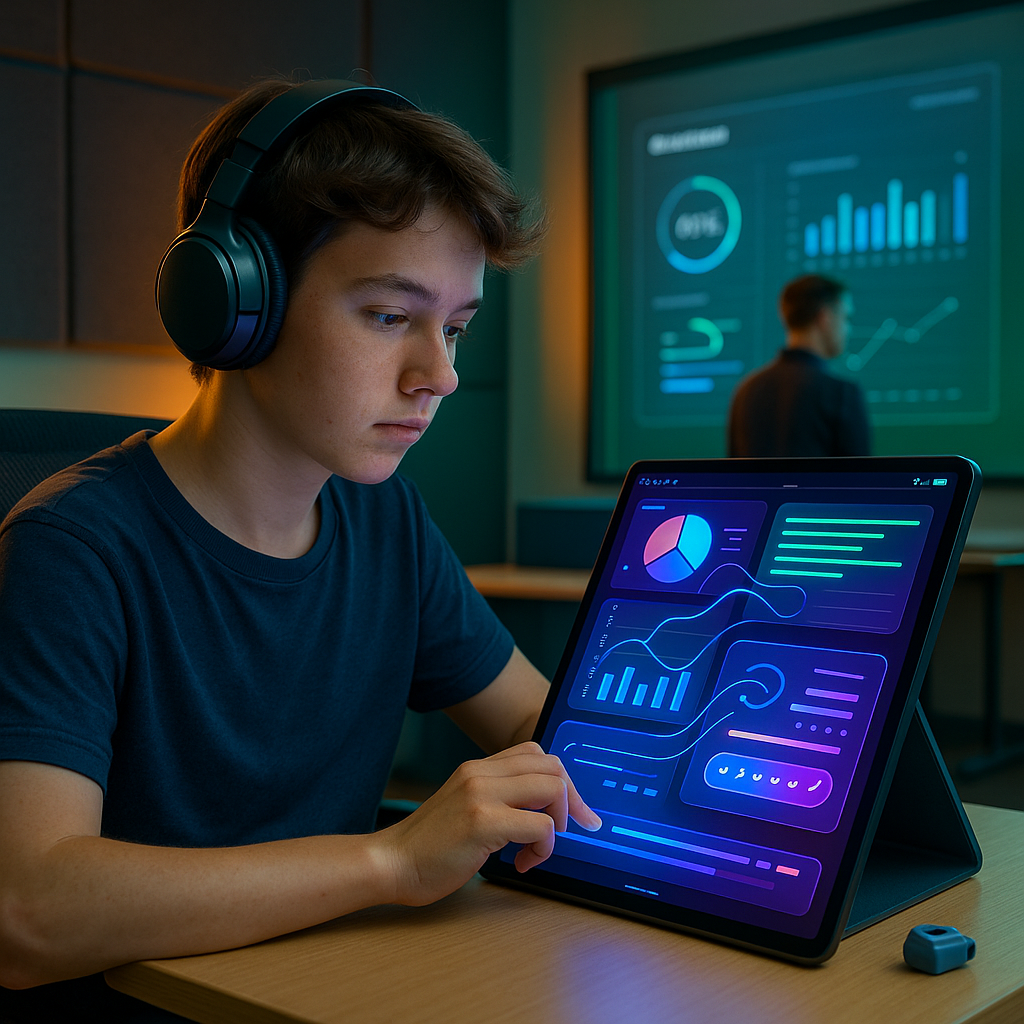
Artificial intelligence now drives adaptive platforms that recognize individual attention patterns and adjust accordingly. These systems monitor engagement in real time, offer new content during peak focus, and provide support tools when concentration dips.
Machine learning analyzes countless interactions to identify when a student learns most effectively. Dr. Jamie Martinez, an educational technology researcher, stated that the technology can determine whether a student benefits more from visual materials, brief activities, or hands-on simulations.
AI-powered platforms such as Cognito Learning and AttentionSpan customize environments by adjusting pacing, difficulty, and presentation formats based on real-time performance data.
Key AI Features Supporting ADHD Learners
Personalized Content Delivery
AI systems deliver information in formats tailored to individual learning preferences. Visual learners receive more diagrams and videos, while those who prefer listening are offered more narrated content.
Text-to-speech capabilities allow students to access material through multiple sensory channels. This multi-modal approach supports engagement during moments of fluctuating focus.
Timing algorithms identify optimal periods for introducing complex material during hyperfocus episodes and schedule breaks before attention wanes. This responsive scheduling aligns with natural attention cycles.
Executive Function Support
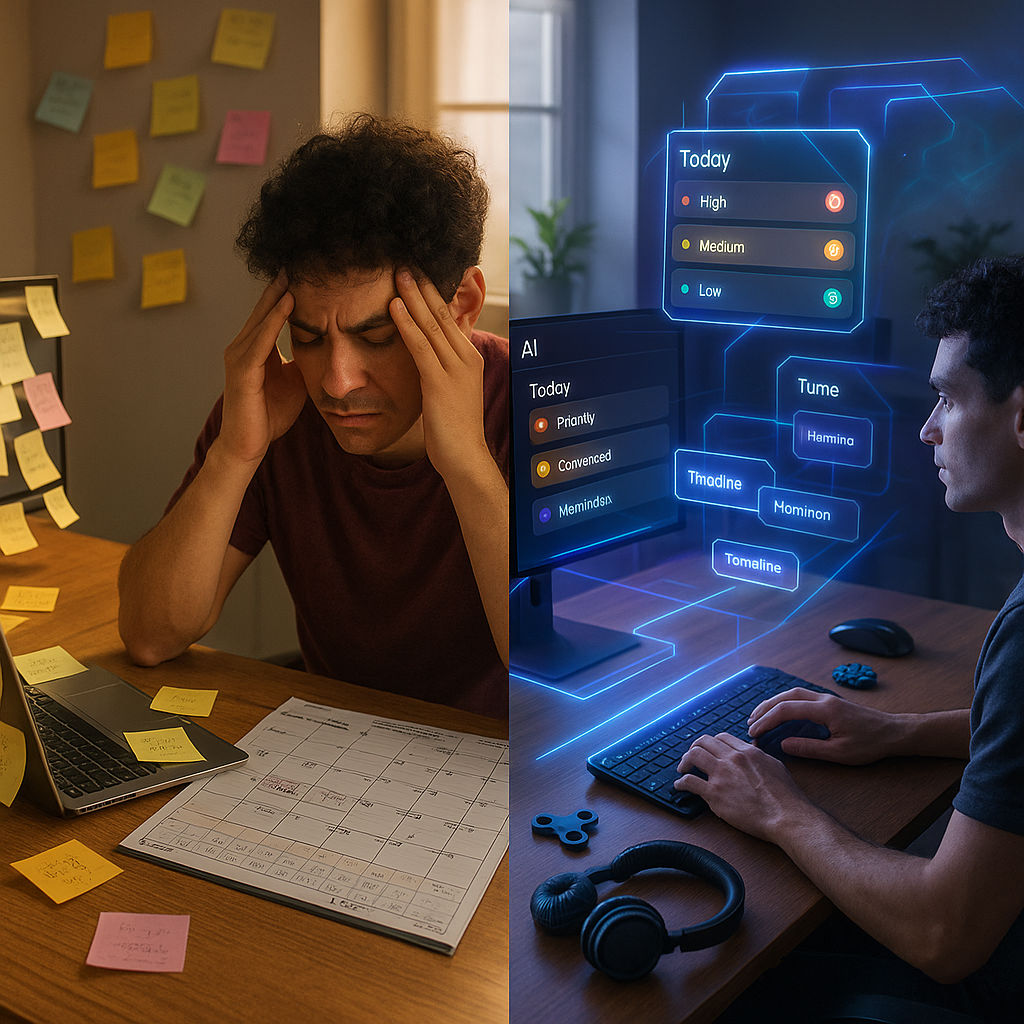
AI-assisted digital planners break large assignments into smaller steps with tailored reminders. These tools adjust prompts based on individual completion patterns.
For task initiation, personalized strategies are suggested based on past successes. Special education teacher Marcus Williams explained that the AI recognizes when a student struggles to begin and offers the specific prompts that have worked before.
Time-management visualizations help students understand the passage of time, which can be a challenge with ADHD. Dynamic timers and progress bars provide concrete feedback to build executive function skills.
Feedback and Reinforcement
Immediate feedback gives instant reinforcement when students complete tasks or maintain focus for target periods. This aligns with the ADHD brain’s need for quick reward signals.
Gamification features matched to individual motivators sustain engagement through challenging content. Personalized achievements recognize each student’s unique progress.
Emotion recognition tools detect frustration or disengagement by monitoring subtle interaction changes. Dr. Sarah Cohen, a cognitive learning specialist, noted that when the system senses frustration, it can suggest a break or alternate approach before disengagement occurs.
Real-World Success Stories
At Westview Middle School, eighth-grader Jayden saw a 35% improvement in math after using an AI platform that delivered content in two-minute micro-lessons. Jayden shared that for the first time, he could maintain full focus on lessons without his mind wandering.
High school junior Maya found that her creativity thrived with AI tools that allowed her to record verbal responses instead of writing essays. She explained that the AI could transcribe her thoughts as she paced and spoke out loud, a method that matched her natural organization style.
College freshman Derek uses an AI study assistant that detects when his attention shifts and creates review materials for concepts covered during lower-focus periods. He reported significantly improved retention since adopting these tools.
Challenges and Accessibility Concerns
Access to advanced AI learning tools remains limited by economic barriers. Many school districts cannot afford these technologies, leading to an equity gap that particularly affects students in lower-income communities.
Privacy concerns are significant as these systems collect detailed data on learning behaviors. Digital rights advocate Elena Torres cautioned that the benefits of personalization must be balanced by strong protections for sensitive student data.
Technical infrastructure is another hurdle, especially in rural areas with limited broadband connectivity. Nearly 30% of American schools do not have the internet capacity to effectively implement sophisticated AI platforms.
What Happens Next for AI and Neurodivergent Education
Researchers at MIT’s Media Lab are developing emotion-aware AI that detects subtle signs of frustration or engagement through facial expressions and interaction. These systems aim to deliver support tailored to a student’s emotional state.
Mobile-first platforms built specifically for ADHD learners are set to launch throughout 2024. They emphasize offline functionality to increase accessibility outside of traditional classroom settings.
Collaboration between neurodiversity advocates, educators, and technology developers is yielding more inclusive design practices. Dr. Michael Chen, a neurodiversity researcher, emphasized the importance of involving ADHD individuals at every stage of development.
Conclusion
AI-powered learning platforms are enabling students with ADHD to transform their attention patterns into strengths by adjusting content, pacing, and support to individual needs. While barriers around accessibility and data privacy remain, ongoing innovation is expanding reach and inclusivity. What to watch: New mobile-first, emotion-aware tools for ADHD learners are launching throughout 2024, promising broader access beyond traditional classrooms.


Leave a Reply