

Key Takeaways
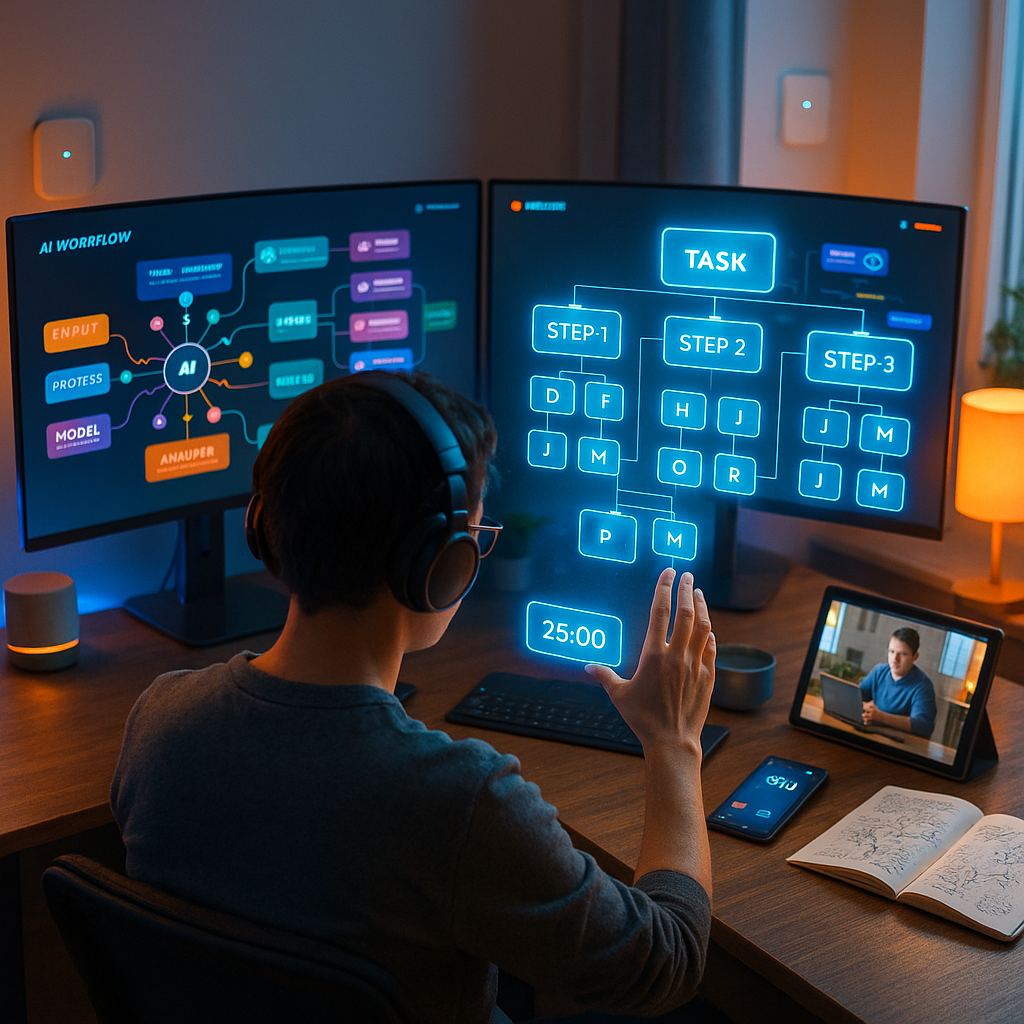
- AI transforms overwhelm into workflow. Custom assistants break large projects into actionable steps tailored to ADHD minds.
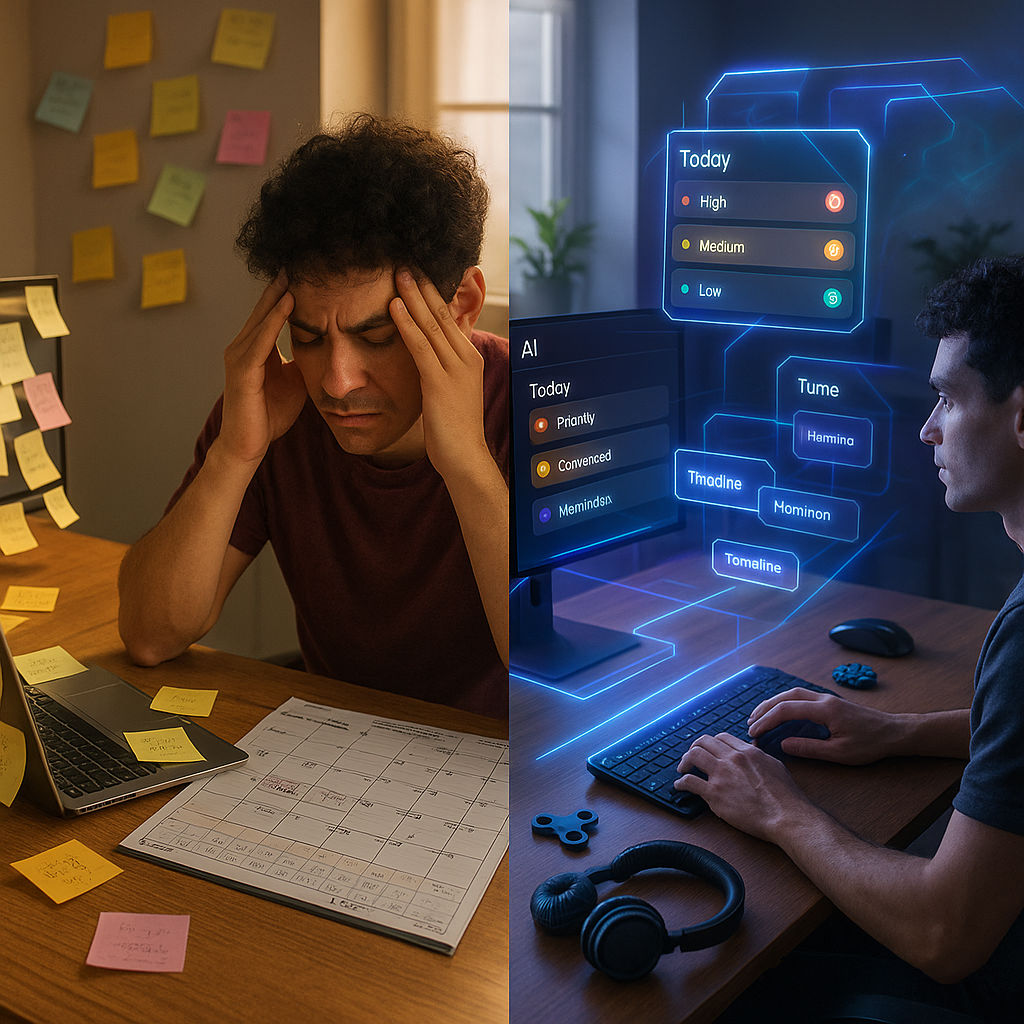
- Automation reduces burnout. Smart reminders and integrations handle routine tasks, easing decision fatigue and stress.
- Strength-based tools enhance focus. Solutions frame hyperfocus and creative thinking as assets in both business and daily life.
- Personalized routines sustain progress. Neurodivergent users find adaptable routines that fit their energy patterns rather than enforcing conformity.
- More ADHD-friendly features coming. Platforms are expanding customization possibilities for neurodivergent professionals.
Introduction
AI assistants and automation tools are transforming how neurodivergent professionals, especially those with ADHD and AuADHD, manage to-do lists and business tasks. By turning overwhelm into tailored workflows and highlighting unique strengths, these digital tools help users reduce burnout, maintain progress, and unlock creativity that traditional systems often overlook.
How AI Assistants Address Neurodivergent Challenges
AI assistants change the productivity landscape for neurodivergent professionals by adapting to individual cognitive styles instead of enforcing standard workflows. These tools provide personalized support for ADHD and autistic traits such as time blindness, difficulties with task initiation, and attention management.
Rather than applying generic frameworks, AI systems now recognize and accommodate divergent thinking. By leveraging pattern recognition, the technology can identify when users enter hyperfocus or need help with transitions.
Many neurodivergent professionals find that well-designed AI tools offer “cognitive scaffolding” that aligns with their natural processing styles. These systems can turn potential workplace obstacles into opportunities for innovation and efficiency.
Core Features That Make a Difference
Task breakdown assistants split complex projects into smaller, manageable steps, helping maintain momentum and prevent overwhelm. Visual progress indicators provide satisfaction for those who thrive on completion feedback.
Context-switching supports ease transitions between activities. AI tools retain thought threads and offer timely reminders about previous tasks, reducing the cognitive drain experienced by many neurodivergent professionals.
Adaptive notification systems filter and prioritize alerts based on what users consider important, their current focus, and past responses. This approach preserves deep work while ensuring that urgent information is still delivered.
Time Management Enhancements
AI time trackers gently make users aware of time passing, addressing common challenges with time blindness. These tools adjust deadlines and schedules according to actual work habits, not idealized timelines.
Body-doubling apps simulate the benefits of having an accountability partner, enhancing focus through shared work sessions. AI companions check in at helpful intervals without breaking flow states.
The most effective time tools offer non-linear planning to accommodate variable energy levels. They provide flexibility for neurodivergent professionals whose daily capacity may shift significantly.
Real-World Applications and Examples
Jamie Chen, a marketing professional, uses an AI writing assistant to collect scattered ideas and organize them into content plans. Chen states that it’s like collaborating with someone who never gets frustrated by idea-jumping.
Software developer Aisha Williams relies on an AI coding assistant to maintain project context through interruptions. Williams shares that the assistant helps resume work easily, even when executive function challenges make returning difficult.
Financial analyst Marcus Lee uses an AI meeting assistant for real-time transcription and key point extraction. Lee notes that this eliminates the stress of note-taking during meetings and improves engagement.
Workplace Integration Strategies
Gradual implementation proves most effective, with users experiencing better outcomes when introducing one AI tool at a time. This minimizes the overwhelm of adapting to new systems.
Customization is essential, as neurodivergent traits and needs are highly individual. The best AI assistants provide extensive personalization, moving beyond a one-size-fits-all approach.
Organizations can best support neurodivergent employees by offering tools and the autonomy to personalize them. This strengths-based method acknowledges that users are experts in their own workflow optimization.
Benefits Beyond Productivity
AI assistants promote sustainable work habits that help prevent burnout. This is a frequent concern for neurodivergent professionals who may mask their challenges or overextend themselves. These tools conserve mental energy by automating demanding tasks.
Users often report increased creativity when routine tasks are handled by AI, freeing up cognitive resources for innovative work. This matches research indicating that neurodivergent thinking often excels at pattern recognition and unique problem-solving.
Professional confidence grows as AI tools remove environmental barriers, allowing real strengths to come forward. Content creator Sam Rivera shares that AI helps shift focus from “doing work right” to doing meaningful work.
Emotional and Social Support
AI companions contribute judgment-free support during emotionally difficult moments. They deliver consistent encouragement without the potential fatigue of social interaction.
Some tools help interpret social cues or suggest phrasing for professional communication, addressing common challenges in autism and ADHD.
Encouraging reminder systems help maintain motivation, using supportive language instead of demands. This approach considers the emotional aspects of executive functioning and helps avoid rejection sensitivity.
Selecting the Right AI Tools
Begin by identifying your neurodivergent strengths and challenges through self-reflection or professional input. Effective tool selection starts with understanding your own cognitive style.
Seek AI assistants designed for neurodivergent users or those that offer high levels of customization. Many general productivity tools assume neurotypical workflows, which may not fit your needs.
Test new tools during low-pressure times, not during critical projects. This allows experimentation without adding stress.
Questions to Ask When Evaluating Tools
Does the AI adapt to your natural work rhythms, or does it expect you to change your schedule? The best tools accommodate interest-based nervous systems rather than enforcing rigidity.
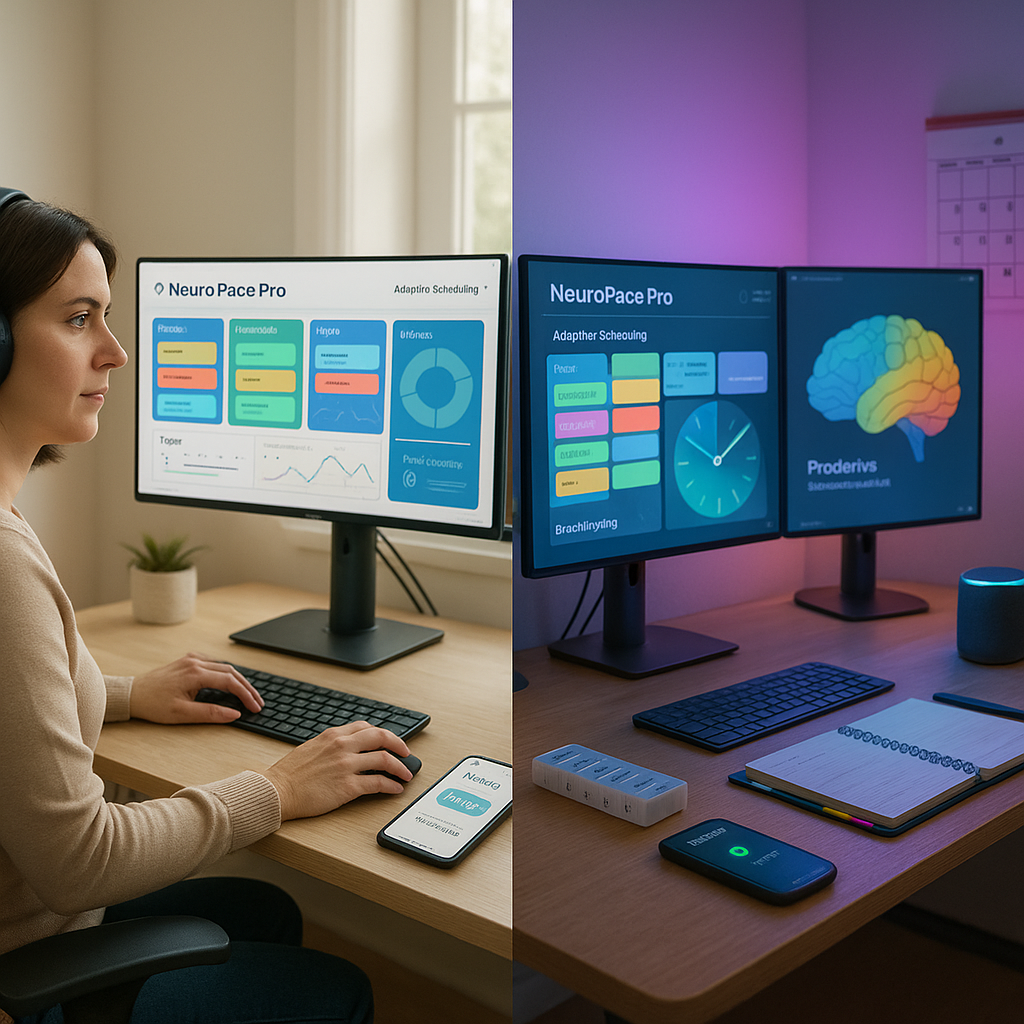
Can you personalize notification types, visual layouts, and interaction methods? Sensory preferences vary greatly and directly affect usability.
Does the system support multiple input methods, such as voice, text, or images? Multimodal input options reduce cognitive load and fit different processing styles.
What’s Next in Neurodivergent AI Support
Emerging AI systems are starting to use biometric feedback to monitor focus, energy, and stress. This enables even more personalized support based on real physiological cues.
New cross-platform ecosystems aim to provide seamless assistance across both work and personal domains, recognizing that neurodivergent traits influence all areas of life.
Research partnerships between AI developers and neurodiversity advocates are gaining momentum, with several major tech companies announcing dedicated neurodivergent design initiatives for 2023-2024. These collaborations promise more genuinely inclusive and effective tools.
Conclusion
AI assistants are reshaping the work experience for neurodivergent professionals, offering adaptive support that turns differences into advantages. As workflows become more sustainable and creativity flourishes, the day-to-day experience improves and social stress diminishes. What to watch: upcoming neurodivergent design initiatives and cross-platform AI systems signal even greater accessibility and integration are on the horizon.


Leave a Reply