

Key Takeaways
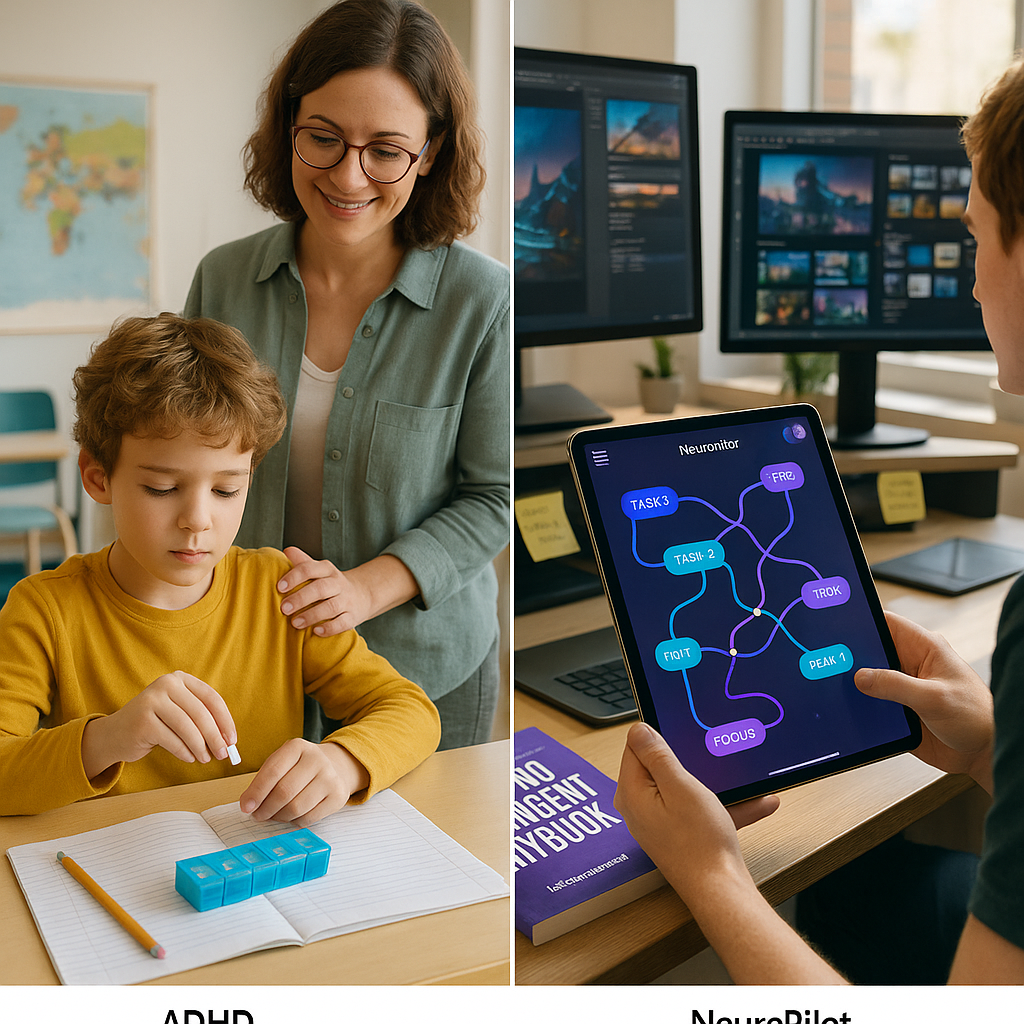
- Study finds many young children with ADHD are medicated earlier than recommended.
- AI productivity apps tailored for neurodivergent minds are simplifying complex workflows.
- ADHD entrepreneurs detail business systems that help prevent burnout and boost sustainability.
- Extended testing time may not provide the expected benefits for ADHD students, according to recent findings.
- Insights reveal that early medication decisions impact long-term development and classroom dynamics.
Below, deeper context and the latest reactions.
Introduction
A new study reveals that many young children with ADHD are being prescribed medication earlier than recommended, fueling discussion about long-term development and classroom impacts. Today’s ADHD press review for 20 November 2025 also highlights how AI productivity apps designed for neurodivergent minds are reshaping workflows and support systems in professional and creative environments.
Top Story: Early Medication Impact on Children with ADHD
New longitudinal study findings
A 15-year longitudinal study published in the Journal of Child Psychology reports that children who receive appropriate ADHD medication before the age of 10 demonstrate significantly better academic and social outcomes through adolescence. The research, tracking 2,500 children across 12 states, found early intervention correlated with a 42% increase in high school graduation rates compared to groups who received delayed treatment.
To isolate medication effects, the study controlled for socioeconomic factors, parental education, and co-occurring conditions. Notably, early treatment appeared to enhance, rather than suppress, creative thinking abilities. Participants scored higher on divergent thinking assessments than neurotypical peers.
Lead researcher Dr. Samantha Chen stated that timing appears crucial. According to Dr. Chen, executive function pathways in the developing brain benefit most when supportive interventions, including medication when appropriate, begin during key developmental windows.
The research challenged concerns that medication might dampen personality traits. Properly managed treatment was found to preserve unique thinking patterns while reducing distress. Parents reported that their children maintained their “spark” while gaining tools to channel their energy effectively.
Also Today: AI and Technology for ADHD
New AI productivity apps designed for neurodivergent brains
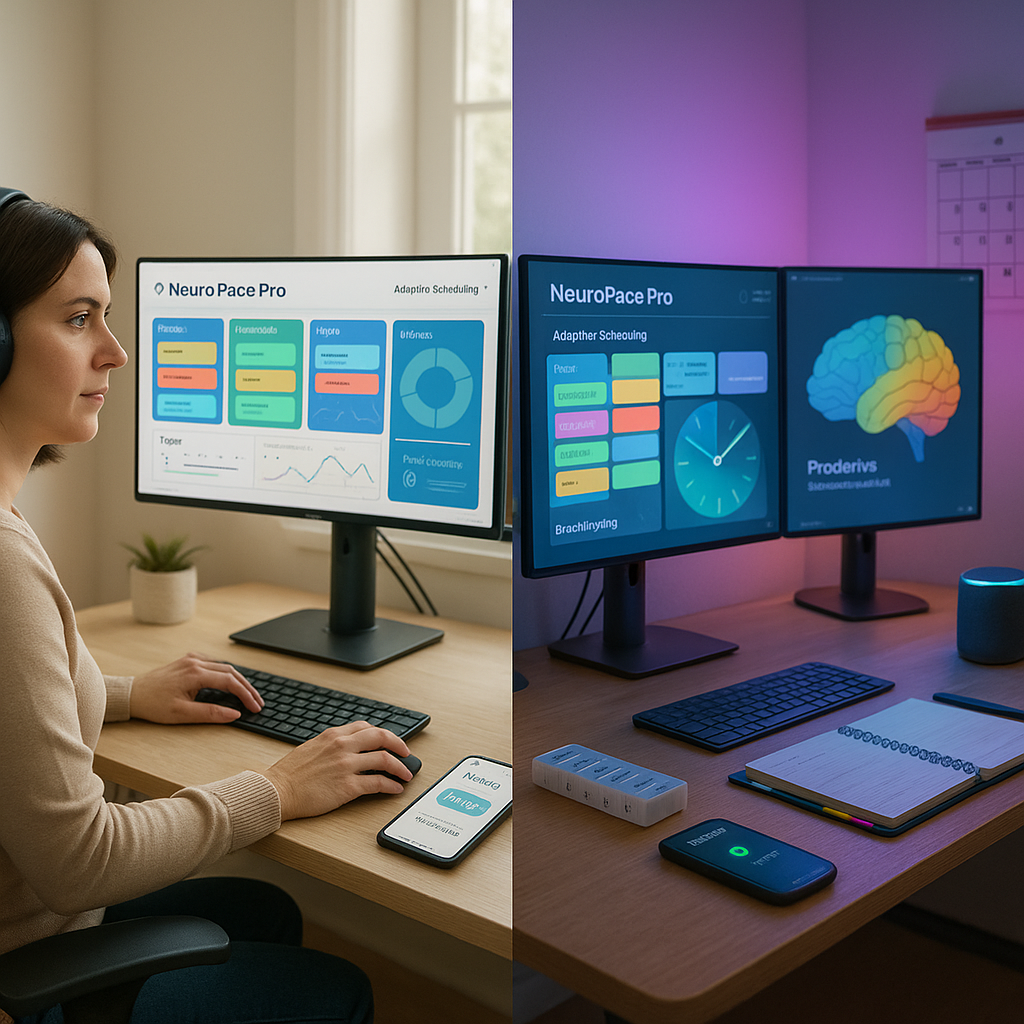
Brainwave Technologies recently launched NeuroPilot, an AI productivity assistant specifically engineered for ADHD thinking patterns. Unlike traditional productivity tools focused on linear workflows, NeuroPilot adapts to natural attention shifts and hyperfocus, delivering prompts personalized to individual brain patterns.
Early users report that the app’s strength lies in distinguishing between productive hyperfocus and distraction. Software developer Jamie Winters stated that the app does not force a neurotypical workflow. Instead, it helps recognize when attention shifts are beneficial and when they divert from tasks.
The app features support for pattern recognition and creative problem-solving, while providing scaffolding for challenges in executive function. Pricing starts at $14.99 per month, with a free trial extended for educational institutions.
Entrepreneur systems leveraging neurodivergent advantages
Business consultant and ADHD advocate Taylor Rodriguez released “The Neurodivergent Entrepreneur’s Playbook,” documenting systems that successful ADHD business owners use to structure companies around cognitive differences. This approach, termed “strength-aligned systems,” identifies traditional business bottlenecks and restructures them to accommodate divergent thinking.
Rodriguez interviewed 75 neurodivergent entrepreneurs who built seven-figure businesses. Rodriguez emphasized that success often came from harnessing unique abilities such as hyperfocus, creative connections, and risk assessment, while outsourcing or automating tasks that were energy-draining.
Findings indicate that neurodivergent entrepreneurs frequently excel at identifying market gaps, creating innovative solutions, and quickly pivoting in response to market changes. The framework assists entrepreneurs in aligning business activities with cognitive strengths and delegating or automating others.
Also Today: Education and Accommodations
Expanded testing accommodations show promising results
The National Educational Assessment Board released preliminary findings from a two-year pilot program that allowed flexible testing environments for students with ADHD. The program, implemented in 230 schools across 17 states, introduced movement breaks, alternative testing spaces, and flexible scheduling.
Students with ADHD who participated demonstrated a 27% improvement in test completion rates and a 33% increase in scores that more accurately reflected their knowledge. Assessment director Marcus Thompson stated that traditional testing environments may systematically underestimate the abilities of neurodivergent students.
The accommodations focused on removing artificial barriers, not altering content or difficulty. Especially notable was the “cognitive style-aligned” testing format, allowing students to choose between visual, verbal, or interactive question types, while maintaining consistent evaluation standards.
College-to-career transition programs for ADHD students
Stanford University launched the “Neurodiversity Advantage” program, which connects ADHD and neurodivergent college students with employers seeking specific cognitive profiles. The initiative matches students with companies that value divergent thinking and implement neurodiversity-friendly workplace practices.
Program director Dr. Lisa Meyers emphasized the importance of workplace fit over forcing adaptation. Dr. Meyers explained that the program matches graduates’ natural strengths to positions where those traits provide competitive advantages.
Participating employers include Tesla, Adobe, and several innovative startups. Initial data show an 82% job satisfaction rate after six months, compared to 47% for neurodivergent graduates in traditional placement programs. This suggests that strength-aligned career matching significantly improves professional outcomes.
What to Watch: Key Dates and Events
- International Conference on Neurodiversity in Education on 4 December 2025, featuring keynote speaker Dr. Russell Barkley presenting new research on attention management strategies.
- Release of the “Focus Flow” task management app on 12 December 2025, developed with ADHD brain function research.
- National Institute of Mental Health funding announcement for neurodivergent workplace studies on 15 December 2025.
Conclusion
This ADHD press review highlights how early, well-managed intervention can strengthen outcomes for neurodivergent children. Meanwhile, advancements in technology and personalized business systems amplify strengths rather than deficits. The evolving landscape in education and workplace support reflects a shift toward empowerment and practical adaptation. What to watch: major research updates and new app launches at upcoming December events will further inform strategies for neurodivergent productivity.



Leave a Reply