

Key Takeaways
- AI adapts in real time: The app continuously monitors attention fluctuations, customizing task suggestions to match changing energy and focus levels.
- Proactive support: Unlike traditional tools, the platform provides proactive instead of reactive assistance, helping users harness hyperfocus and creativity.
- Empowerment over shame: The approach is grounded in lived neurodivergent experience, framing ADHD as a strength within a growth mindset.
- Scalable for solopreneurs: Task management, reminders, and automation can be tailored to support solo businesses and creative work, adapting as the user grows.
- Ongoing updates planned: Developers will release new adaptive features in the coming months based on feedback from neurodivergent professionals.
Introduzione
A new AI productivity app for ADHD adults launched Tuesday, offering a dynamic way to manage tasks by continuously adapting to each user’s attention patterns in real time. Designed specifically for neurodivergent professionals and solopreneurs, the tool reframes executive function challenges as assets and delivers scalable, proactive support. The goal is to transform ADHD strengths into a competitive advantage in fast-paced work environments.
How the AI App Works
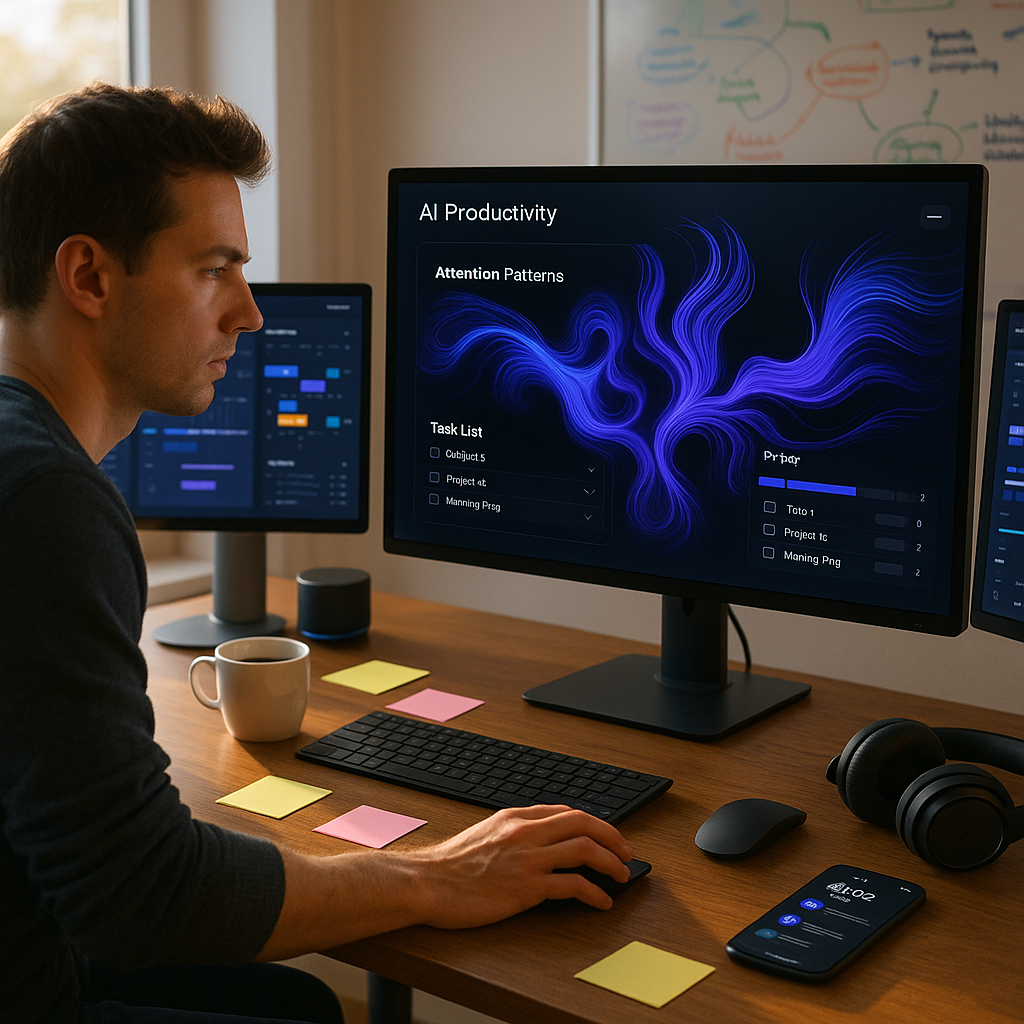
The AI productivity app uses advanced machine learning algorithms to track and respond to users’ attention patterns in real time. By monitoring interaction speed, task-switching frequency, and engagement levels, the system builds a dynamic model of executive function throughout the day.
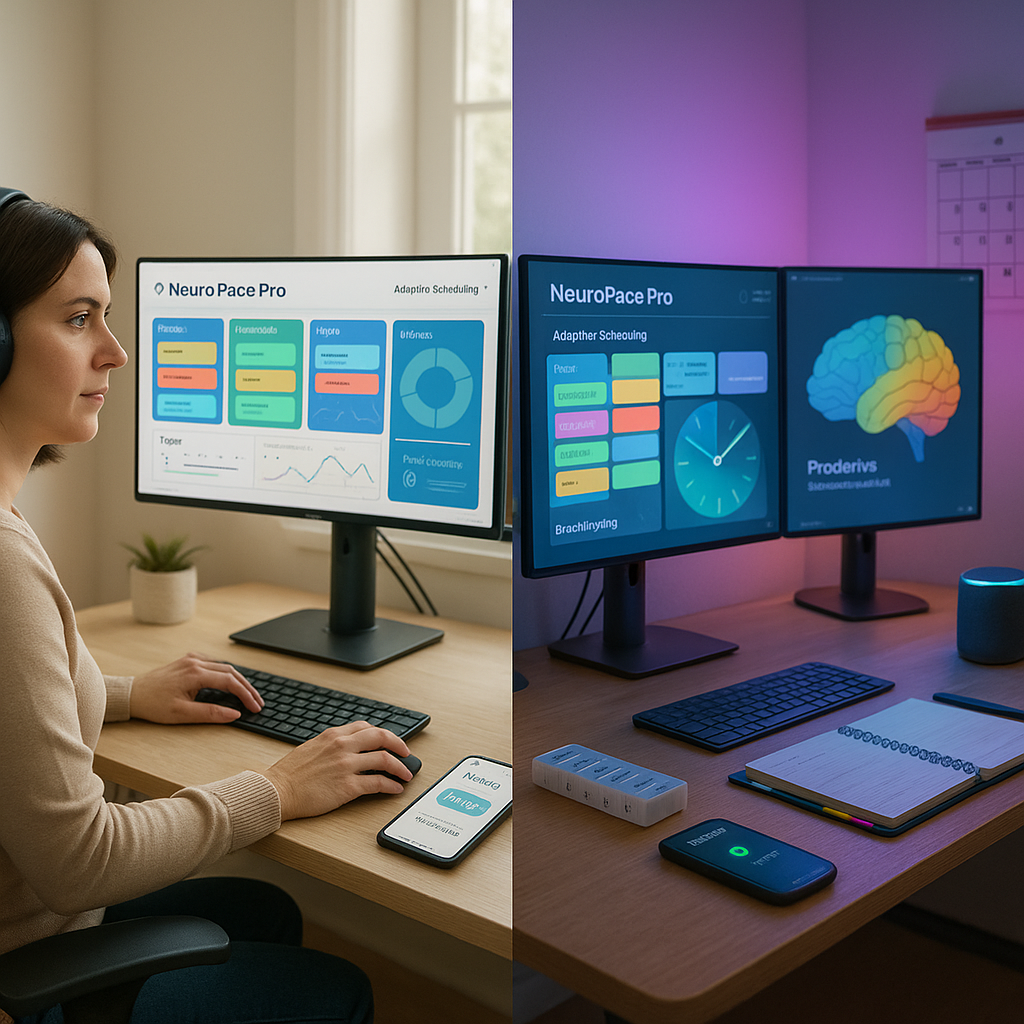
Adaptive task presentation: When attention wanes, the app automatically adjusts task presentation. It breaks complex projects into smaller components or suggests a shift to activities that better match the user’s current cognitive state. These adaptations happen seamlessly in the background.
Unlike rigid productivity tools that depend on static to-do lists, this app acts more like a responsive executive assistant. It learns which tasks energize users and which drain them, scheduling work during optimal windows of performance.
Dr. Maya Chen, the app’s lead developer, stated that their approach moves beyond the idea that ADHD adults just need better reminders. Instead, the system recognizes attention as naturally fluctuating and aims for tools that accommodate these patterns.
Empowering ADHD Strengths
The app highlights periods of hyperfocus as opportunities for deep work, not anomalies to be corrected. Users receive positive reinforcement when productive engagement patterns are detected, reinforcing neural pathways linked to successful task completion.
Growth mindset integration: Growth mindset principles are woven throughout the experience, with the AI tracking progress longitudinally instead of focusing solely on daily productivity. This helps users observe improvement in their ability to harness attention.
Beta tester Jamie Rodriguez, a graphic designer, said the app revealed productivity patterns that had previously gone unnoticed. Afternoon creative bursts, once seen as random, became predictable and actionable.
The system also identifies unique cognitive strengths, suggesting workflow changes that align with individual thinking styles rather than enforcing neurotypical standards.
Designed for Solopreneurs
The app offers customization options built for solo business owners who juggle multiple roles. Users can set up distinct project environments, each with different notification thresholds and task-switching settings tailored to various business activities.
Scalability features: As a business grows, scalability features let the system adapt to increasing complexity without overwhelming the user. The AI prioritizes revenue-generating tasks during periods of high focus, while scheduling administrative work during transition times.
Integration with client management, invoicing, and marketing platforms creates a unified executive function support system for all aspects of solo business operations. This reduces the cognitive load involved in navigating disconnected productivity tools.
Taylor Washington, a freelance web developer and early adopter, noted that having a system attuned to optimal times for creative versus administrative work has been transformative.
User Experience
Early adopters report lower friction when starting tasks, a common executive function challenge for ADHD adults. The adaptive interface adjusts complexity according to detected cognitive load, simplifying choices when users feel overwhelmed and expanding features during hyperfocus.
Non-judgmental interface: The app’s non-judgmental stance on missed deadlines and schedule changes stands out to users. Content creator Alex Morgan appreciated that the app does not induce guilt when rescheduling, but instead facilitates understanding and more realistic planning.
The personalized dashboard provides visualizations of productive periods, task patterns, and attention shifts. This data-driven approach fosters self-awareness over time.
Onboarding has received mixed reviews. Some users found the initial setup overwhelming despite the app’s ADHD-friendly design. Developers have acknowledged this and prioritized streamlining onboarding in upcoming updates.
Future Development
Planned updates include expanded integration with calendar tools, communication platforms, and project management systems. These changes aim to build a more comprehensive executive function ecosystem. The team is also developing enhanced personalization algorithms for even greater alignment with individual cognitive profiles.
Community-driven development: User involvement is central to the app’s development, with monthly feedback sessions informing the roadmap. An active online community allows users to exchange customization strategies and workflow tips tailored to varying professions and ADHD presentations.
Voice command features are in beta testing to support users when screen interaction could disrupt focus or creative flow. This is informed by research showing many ADHD adults process information more effectively through auditory channels.
Sam Patel, the company’s CEO, described the initiative as the beginning of neurodivergent-centered technology development. Users play a key role in helping the team understand how technology can best support diverse cognitive needs.
The Shift in Productivity Tech
This app breaks from conventional productivity tools that assume consistent attention spans and linear task completion. Traditional systems can create extra executive function burdens due to rigid structures and inflexible interfaces.
Research shows that ADHD adults often develop compensatory strategies which may fail when circumstances change, causing productivity setbacks. The adaptive app aims to maintain executive function support during such transitions.
This launch reflects a growing trend toward neurodiversity-affirming technology, viewing cognitive differences as variations instead of deficits. Industry observers suggest this approach could influence the broader landscape of productivity tool development.
Dr. Eliza Washington, a neurodiversity consultant not affiliated with the app, pointed to a fundamental shift. Tools are now designed to adapt to users, rather than forcing users to adapt to tools.
Conclusione
By adjusting task management to real-time attention shifts, this AI productivity app challenges the one-size-fits-all model and spotlights neurodivergent strengths. Its adaptive design and emphasis on progress over time represent a step toward more inclusive technology for ADHD adults and solopreneurs. What to watch: Upcoming updates will streamline onboarding and expand voice command features, reflecting the app’s commitment to ongoing, user-driven development.


Leave a Reply