

Key Takeaways
ADHD recovery after a major project or looming deadline is both a science and an art. It’s not just about catching your breath, and it requires more than brute willpower. Mastering the post-deadline reset isn’t just about avoiding burnout. It’s about harnessing recovery as a strategic tool for lasting growth. Here are the core takeaways to guide your path to intentional, sustainable resets:
- Intelligent resets outshine forced rest: Instead of pushing through exhaustion or defaulting to inactivity, intentional recovery plans help you recharge your mind and body in a way that sticks.
- Micro self-care, macro impact: Small, ADHD-friendly self-care actions (like a five-minute walk, hydration, or a sensory “reset shower”) keep your momentum alive and create positive feedback loops, without draining your attention span.
- Downtime is your next fuel tank: Structured downtime isn’t wasted; it’s a direct investment in creativity, focus, and resilience, laying the groundwork for your next big leap forward.
- Systems create safety nets for recovery: Using reset rituals, checklists, or AI-powered reminders bridges the gap between burnout and sustainable productivity, eliminating the need to reinvent the wheel every time.
- One size doesn’t fit all: Neurodivergent minds thrive with tailored reset strategies. Understanding your own signals and triggers is the key to avoiding relapse and fueling true renewal.
- Shame loses power when normalized: Every professional (especially those with ADHD) hits a wall after a period of high output. Embracing your need to recover, without guilt, turns vulnerability into a strategic strength.
- Reflection transforms downtime into mastery: The pause after a deadline is the perfect moment to review what worked, what didn’t, and to celebrate your wins, building self-awareness for even better performance in the future.
With these principles, you can transform the post-deadline slump into a launching pad for your next creative sprint. In the following sections, you’ll find practical, ADHD-friendly reset routines, tools, and community-tested strategies that aren’t just effective—they’re designed to stick and scale with you.
Introduction
Crossing the finish line on a major task can bring a mix of relief and exhaustion. For those with ADHD, the post-deadline experience isn’t just a normal dip. It can trigger a brutal crash that evaporates your momentum, zaps your energy, and sometimes traps you in a spiral of shame or guilt. The cycle is familiar: you sprint across the finish line, only to collapse, or worse, get stuck in an unproductive haze that feels impossible to shake.
Here’s the reality: true ADHD recovery is less about collapsing on the sofa and more about creating reset strategies tailored to your brain’s unique wiring. By leaning into smart routines, micro self-care, and supportive systems, you can transform downtime from a stopgap into the fuel for your next creative breakthrough.
Let’s break down how to transform your recovery process, making it a launchpad, not a pitfall, by using ADHD-friendly rituals, practical tools, and mindsets that finally put your wellbeing at the center of your workflow.
The Post-Deadline Crash: Understanding the ADHD Recovery Cycle
Transitioning from high-stakes action to rest often feels like trying to turn off a racing engine with the flick of a switch. To build recovery plans that actually work, it’s essential to understand why the crash happens in the first place, and why it’s more pronounced for ADHDers.
Why We Crash After Big Deadlines
The exhaustion that follows a high-pressure sprint is a neurobiological reality for the ADHD brain, not a lack of discipline or mental toughness. Sustained periods of hyperfocus and urgency rely on emergency reserves of neurotransmitters. Once the external motivators (like impending deadlines or intense interest) vanish, there’s an abrupt drop in stimulation and a sharp decrease in available dopamine.
Dr. Russell Barkley refers to this as the effect of an “interest-based nervous system.” When the excitement or urgency fades, so too does the brain’s energy supply. This crash can manifest in a variety of ways:
- Profound fatigue that isn’t cured by sleep
- Heightened sensitivity to noise, light, or touch
- Trouble making even basic decisions
- Emotional volatility (irritability, sadness, or feeling overwhelmed quickly)
- Avoidance of any task that resembles work
- Physical symptoms (headaches, stomach issues, muscle tension)
Crucially, this “down” period is not a sign of personal weakness, but your brain’s normal process for restoring chemical resources and recovering from stress. Powering through will not expedite recovery; in fact, it can prolong the slump and set the stage for deeper burnout.
The Dangers of Skipping Recovery Time
Choosing to ignore your body’s and brain’s need for post-deadline recovery doesn’t make you more productive. Instead, it primes you for a cascade of setbacks that can sap your effectiveness in the days and weeks ahead.
Research on occupational stress recovery reveals that forcing yourself to continue high-output work without breaks drives up your allostatic load, a chronic state of stress imbalance that disrupts everything from your memory to your immune system. For ADHD brains, which are already vulnerable to dysregulated stress responses, the risk is amplified.
Neglecting this recovery can create a vicious cycle:
- Cognitive depletion: Executive function (planning, prioritizing, memory) becomes sluggish or unreliable.
- Emotional volatility: Even small annoyances spark disproportionate emotional reactions.
- Stunted creativity: The ability to think outside the box or solve problems evaporates.
- Sloppy mistakes: Work quality dips as errors multiply and innovative insights disappear.
- Physical flare-ups: You may encounter sleep problems, increased illness, or chronic pain as your body rebels.
Dr. Gabor Maté warns that this pattern can build “trauma loops,” causing you to subconsciously link achievement with trauma or exhaustion, which erodes your relationship with both work and self-worth.
Businesses and organizations see real consequences as well. For example, Microsoft’s research found that teams who engage in structured breaks enjoy 31% higher productivity. In fields like healthcare, finance, and education, properly managed recovery directly correlates with better decision-making and fewer costly errors.
Choosing to honor your body’s recovery needs doesn’t slow you down in the long run; it sets the stage for sustainable success. For neurodivergent professionals, this is more than self-care. It’s a strategic practice supporting both your health and performance.
The Science of ADHD Recovery
Understanding the neurochemistry behind post-deadline recovery arms you with tools to create effective support systems around your unique needs.
How Dopamine Depletion Affects Motivation
Dopamine, often dubbed the “motivation molecule,” is a cornerstone of both focus and satisfaction in ADHDers. During intense work sprints, the brain marshals a surge of dopamine, a “challenge response” that keeps you locked in despite distractions. But once that challenge evaporates, so does the dopamine, leaving your brain starved for stimulation.
This explains why, after reaching a milestone, you might find even enjoyable activities suddenly feel dull or impossible to start. Dr. William Dodson refers to this as “reward insufficiency syndrome”—your brain’s usual little hits of dopamine barely register, which makes it hard to get moving again.
Research from institutions like the Karolinska Institute suggests the brain needs anywhere from 24 to 72 hours (and sometimes longer) to reset dopamine receptors after a phase of overdrive. The actual recovery window depends on various factors:
- How long and intensely you were focused
- How much stress and sleep debt you accumulated
- Personal neurochemical variability
- The presence of new or ongoing stressors
Acknowledging this need for a biological “reset” shifts the focus from mere willpower to smarter, science-backed recovery.
The Executive Function Reset Timeline
Executive functions—the prefrontal skills of planning, organizing, and regulating emotions—don’t simply bounce back after a marathon work session. Instead, they follow a gradual, often predictable, rest-and-rebuild cycle.
A study from Brown University’s ADHD Research Center maps this timeline:
- Days 1–2: Major drop in executive function. Basic planning, memory recall, and emotional regulation may falter. Functional brain imaging shows reduced prefrontal cortex activity.
- Days 3–5: Recovery begins, with small improvements in simple planning and emotional regulation, though more complex tasks can still overwhelm.
- Days 6–10: Most executive skills return near baseline. Creative thinking and strategic problem-solving make a comeback.
- Days 11–14: Full recovery is typical, and you may find yourself even more adaptive thanks to insights gleaned during downtime.
Skipping needed recovery can drag this process out for weeks, turning a manageable slump into a prolonged battle with executive dysfunction and burnout.
Setting your expectations, and your task load, around this natural timeline allows you to work with your brain instead of against it. This approach applies across industries, from legal professionals handling complex cases to marketing teams launching big campaigns or educators wrapping up end-of-term reports.
Immediate Recovery: The First 48 Hours
Recognizing the importance of your first steps after a big push is crucial for active recovery. The goal: reduce guilt around rest and anchor your nervous system during its most vulnerable window.
Permission to Decompress: Setting Expectations
The first two days after a major deadline are essential for rebalancing your nervous system. Science-backed recovery starts with explicit permission—to yourself and those around you—to step back and refuel.
Communicate about your boundaries early and clearly. Research from Dr. Gretchen Spreitzer highlights that simply reframing downtime as critical for high performance slashes guilt and boosts the restorative effect. Here’s how you can set yourself up for success:
- Schedule recovery into your calendar as you would any client meeting or work session
- Notify key contacts or colleagues with a “recovery update,” so expectations are aligned in advance
- Define what constitutes a real emergency during your recovery, and stick to those parameters
- Prepare standard responses for handling non-urgent requests or new projects
- Enlist an accountability buddy who gets your ADHD experience and can help remind you to honor your plan
For many, the hardest part is internal: giving yourself permission to rest, instead of succumbing to guilt. Combat this by documenting a “recovery prescription” in advance—a list of specific activities you commit to as vital for your future performance. Keep it somewhere visible.
Remember: strategic recovery is not indulgence. As Brett Thornhill, an ADHD coach, puts it, “Recovery isn’t what happens when work stops. It’s what makes future work possible.”
The Recovery Ritual: First Actions After Completion
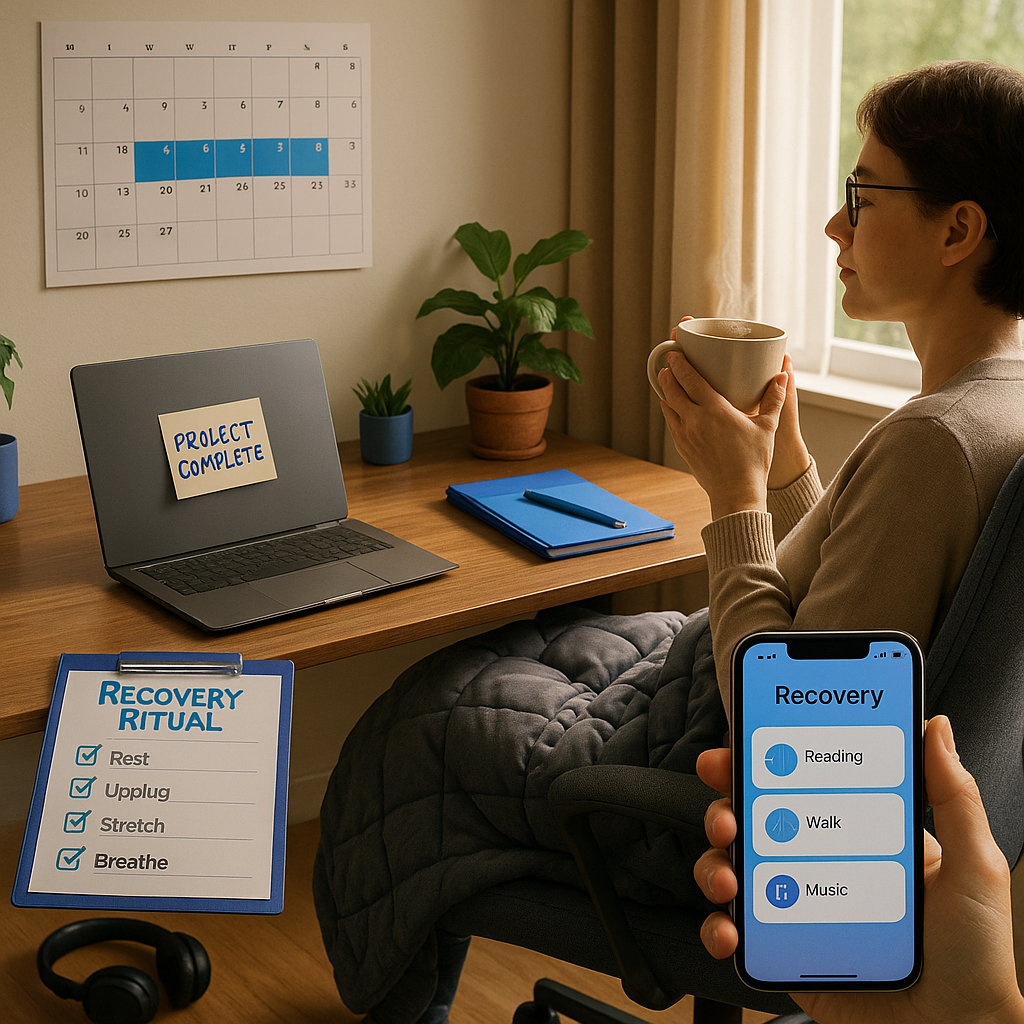
Crafting a post-deadline ritual can reinforce the shift from frantic productivity to purposeful recovery. These repeatable, sensory-rich actions become cues for your brain to unwind and re-engage with self-care.
Consider a ritual like this:
- Physical closure: Power down devices, tidy your workspace, or change clothes to mark a symbolic endpoint.
- Sensory reset: Take a refreshing shower or bath, dim the lights, or use tools (like weighted blankets or calming music) to ease overstimulation.
- Gentle movement: Move your body for 10 to 20 minutes, whether it’s a walk, a stretch, dance, or yoga—low pressure, just for you.
- Brain dump: Jot down stray thoughts, lingering tasks, or anxieties, then set them aside to clear mental clutter.
- Simple pleasure: Engage in something rewarding and easy—watch a favorite show, order a favorite meal, spend a few minutes chatting with a friend.
Consistency is what gives this ritual power. Neuroscience research (for example, by Dr. Andrew Huberman) underscores that repeated physical and sensory routines help shift the brain into a recovery mode, with benefits that cascade throughout your body and cognition.
Share your recovery approach with friends, family, or support networks. This makes it easier to stick to when brain fog sets in and also educates those around you about why this time matters.
Strategic Recovery: Days 3–7
Once you’ve navigated the initial “reset window,” your focus shifts to gradual rebuilding, prioritizing activities that restore dopamine, executive function, and creative spark without draining your still-recovering energy.
Low-Effort Dopamine Restoration Activities
During this stage, the goal is not to return to full-throttle productivity, but to layer in restorative actions that feel naturally rewarding. These are low-effort, high-reward activities that gently restore your motivational circuits, making the return to creative work much smoother.
Examples include:
- Nature immersion: Short walks in green spaces have been shown to boost mood, replenish mental focus, and restore dopamine for ADHDers. Even a balcony garden or a park bench counts.
- Sensory hobbies: Art, music, or crafting provide low-barrier, dopamine-releasing pleasure while giving the brain a break from performance demands. Painting, doodling, playing an instrument, or working on a puzzle all qualify.
- Light exercise: Movement that you actually enjoy—yoga, biking, swimming, or spontaneous dance breaks—triggers both endorphins and dopamine, supporting mood and focus in a gentle way.
- Structured downtime: Journaling, guided meditation, or deep-breathing sessions can recharge executive function and help you process emotions stirred up during the work sprint.
- Mini accomplishments: Completing quick, non-threatening tasks, like laundry, organizing a shelf, or cooking a simple meal, can give you small wins that rebuild momentum and confidence.
- Digital downtime: Reducing screen time and stepping away from technology, even for an hour a day, helps rebalance overstimulated nervous systems and recharge attention.
These strategies work across professions. Healthcare workers might benefit from nature walks or creative hobbies, educators can integrate light movement and art, while finance or legal professionals may find journaling and sensory resets especially restorative after periods of analytical overload.
If motivation remains low, experiment with pairing enjoyable activities (“temptation bundling”), such as listening to an audiobook while doing chores or enjoying a favorite snack during a walk. The goal is to gently bridge the gap between complete rest and full re-engagement.
Systemizing Sustainable Recovery: Tools and Rituals That Stick
Transitioning out of a recovery plateau and into renewed productivity requires more than motivation. It demands systems, both digital and analog, that automate reminders and rituals, taking the load off impaired executive function.
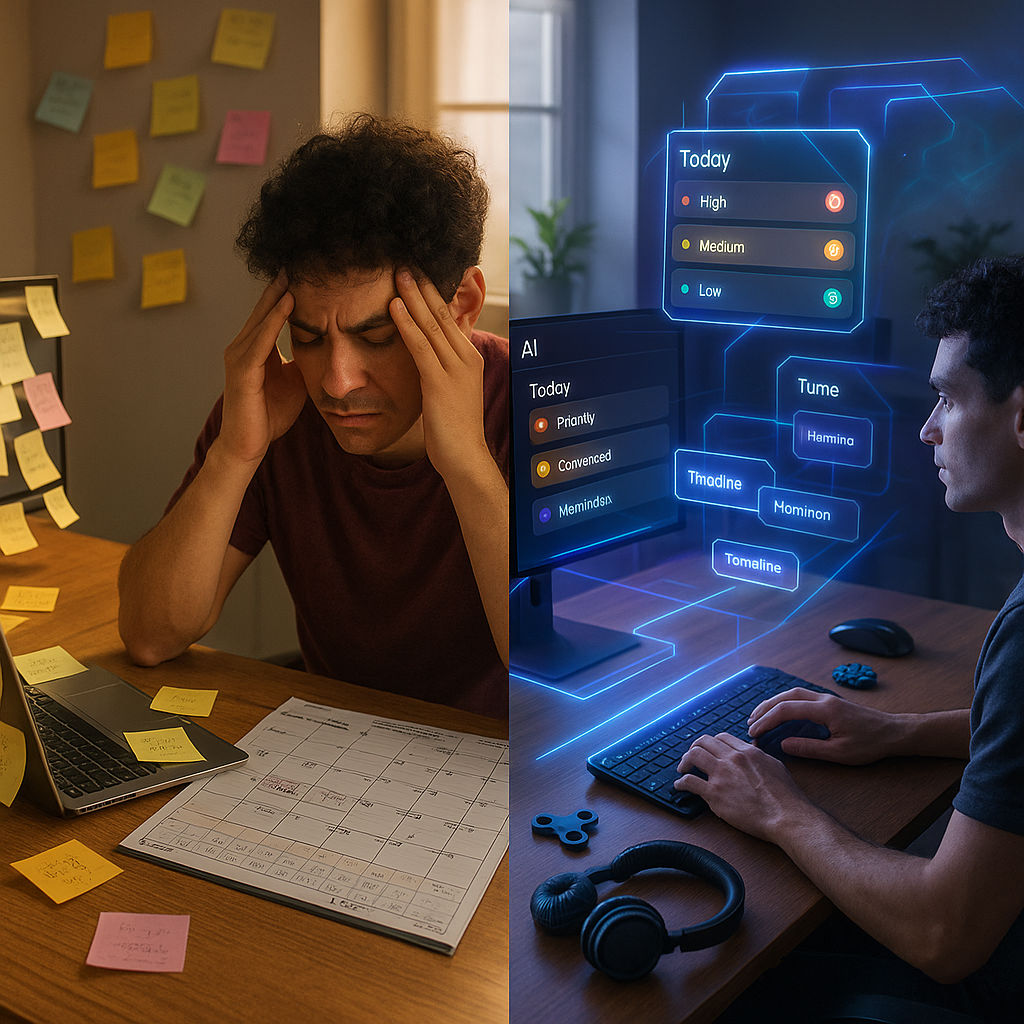
- AI-powered reminders: Use smart apps (like Google Calendar, Todoist, or ADHD-specific platforms) to schedule recovery check-ins, automate hydration and movement prompts, and track energy fluctuations.
- Checklists and templates: Prepare recovery checklists that spell out your go-to post-deadline reset steps. This could include a “Day 1 decomposition plan,” low-energy activities, and a reflection section for wins and lessons learned.
- Accountability networks: Tap into ADHD or neurodivergent coworking groups, digital communities, or even a trusted friend to create external accountability and normalize the peaks and valleys of the process.
- Adaptive rituals: As your needs shift across different phases, adjust your recovery rituals. For instance, after particularly taxing projects, extend sensory recovery windows, or pivot from solo to social dopamine breaks.
- Cross-industry best practices: Legal professionals may automate post-case debriefs, marketers can schedule post-campaign retrospectives, while healthcare and education workers can develop rotation-based downtime rituals.
The power of these tools is scalability. As your responsibilities grow, your recovery system evolves to support larger projects, amplifying your ability to sprint and recover without burnout.
Conclusion
The post-deadline crash is not a character flaw or a sign of weakness. It’s a critical neurobiological reboot that drives the energy, motivation, and ingenuity powering neurodivergent professionals. Ignoring or rushing through this recovery phase may seem productive, but it ultimately undermines both wellbeing and long-term performance, reinforcing cycles of burnout and lost potential.
By understanding the neuroscience behind dopamine depletion and the real executive function timeline of recovery, individuals and organizations alike can shift their view of rest from an afterthought to a foundational pillar of excellence. Implementing consistent rituals, boundary-setting, and supportive systems isn’t just self-care. It’s a scalable, strategic move for anyone looking to turn the natural rhythms of the ADHD mind into a competitive advantage.
The future belongs to those who can build adaptable strategies for a changing world, leveraging every phase, from peak performance to purposeful recovery. When you treat downtime as a launchpad and honor the unique needs of your neurodivergent brain, you unlock a sustainable, resilient brilliance that doesn’t just endure. It thrives. For professionals, solopreneurs, and leaders alike, the question is not if you’ll need to reset, but how intentionally you’ll transform recovery into your next breakthrough.



Leave a Reply