


Key Takeaways
- Turn overwhelm into leverage with intentional delegation: Delegation is not a sign of weakness. For ADHD solopreneurs, it is a superpower that transforms chaos and overload into focused progress on high-impact work.
- Build personalized support systems, not just hired help: Effective outsourcing requires designing systems tailored to your individual quirks and patterns. The right support serves as a safety net instead of becoming another burden to manage.
- Outsource executive function bottlenecks, not your creativity: Offload administrative tasks, follow-ups, and routine chores so you can safeguard your energy and focus for ideation, visionary work, and those rapid pivots where your ADHD strengths shine.
- Automate the mundane before you delegate it: Simple AI tools and automations can handle repetitive work, minimizing delegation friction, reducing costs, and letting you reserve outsourced help for where human input is most valuable. In sectors like healthcare, automation streamlines patient appointment reminders; in marketing, it schedules posts, ensuring focus stays on creative strategy rather than repetitive execution.
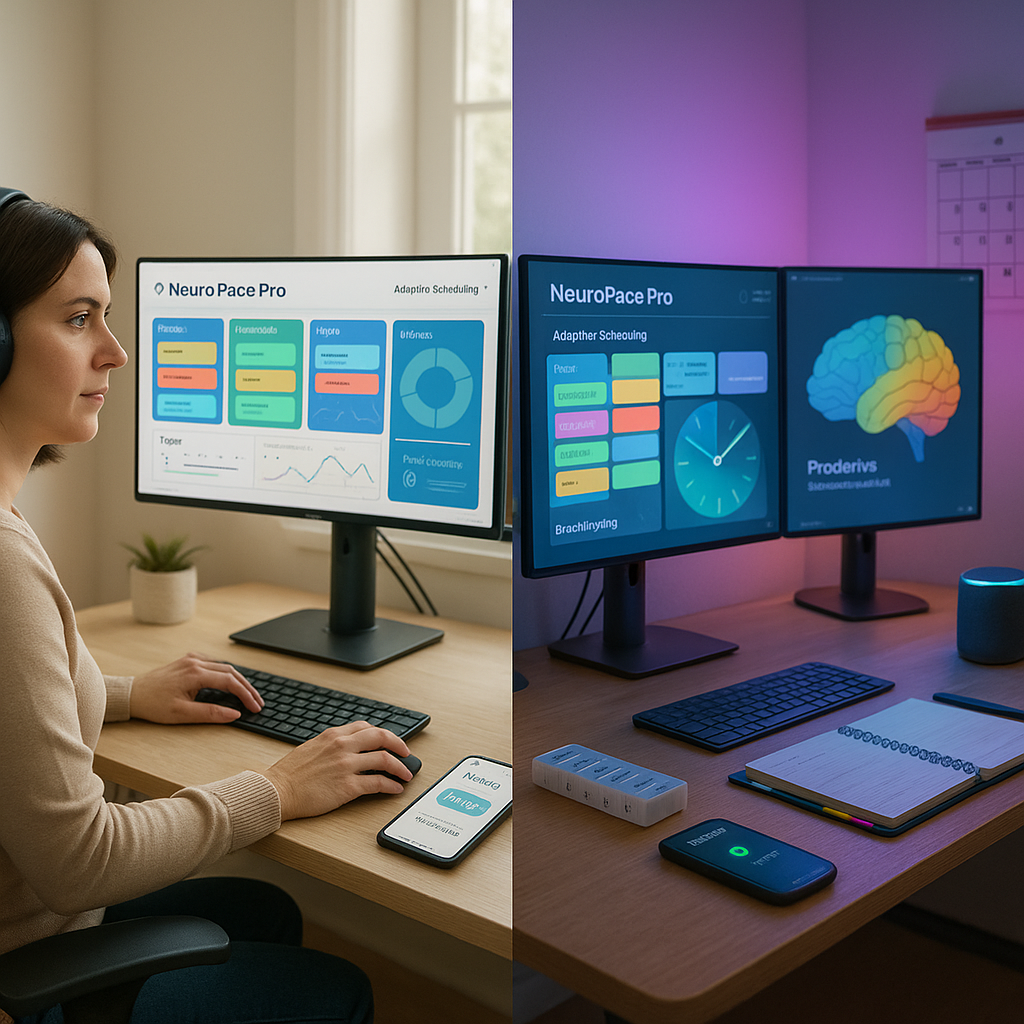
- Design clear, visual processes to keep everyone (including you) on track: Use ADHD-friendly project management tools such as boards, color-coding, and visual checklists. This visual clarity enables you and your team to track progress at a glance and avoid missteps. The same principle applies in legal practices (for contract workflows), education (visual curriculum maps), and even retail (inventory dashboards).
- Embrace flexible, scalable support that grows with you: Construct support structures that can expand or contract as your business evolves, maintaining agility without overwhelming you with complexity or long-term commitments. In finance, scalable tools can automate reporting as your business grows, while in consumer services, flexible virtual assistants adapt to seasonal spikes.
- Normalize asking for help. It’s strategic, not shameful: Reframe delegation as a marker of business acumen and self-awareness. Thriving with ADHD is about designing an ecosystem for success, not doing everything alone.
Mastering ADHD-friendly delegation is about owning your workflow, not surrendering control. The result is a business environment where your strengths can spark and scale. Next, we will explore actionable frameworks, essential tools, and real-world case studies to make delegation a seamless extension of your creative process.
Introduction
The solopreneur journey with ADHD often feels like riding a rollercoaster of ideas, only to be derailed by a tangle of unfinished projects, forgotten follow-ups, and mounting daily overwhelm. Attempting to juggle every detail solo isn’t just draining. It can actually short-circuit the creative energy that fuels your business growth.
ADHD-friendly delegation changes this narrative. By designing solopreneur systems that outsource executive function bottlenecks and automate daily chaos, you convert overwhelm into strategic leverage. This opens the space for high-impact work where your unique capabilities can thrive. Let’s discover how intentional outsourcing, tailored support mechanisms, and simple automations make delegation not only possible for ADHD entrepreneurs, but transformational for both mindset and the bottom line.
Understanding ADHD-Friendly Delegation: Why Traditional Advice Falls Short
Standard business advice presents delegation as a linear checklist: identify tasks, document processes, hire help, train, and then trust your team. For many ADHD solopreneurs, this advice misses the mark, not because of a lack of ability, but because it overlooks how neurodivergent minds naturally operate.
The ADHD Delegation Paradox
ADHD creates a specific set of challenges when it comes to delegation, distinct from those assumed in neurotypical workflows:
- Task Blindness: ADHD minds often struggle to see the individual steps in broader processes. While others suggest simply delegating “email management,” for example, you might ask, “How do I break down and explain what I do every day?”
- Documentation Aversion: Sustained attention for detailed SOPs (Standard Operating Procedures) is taxing for ADHD executive function, making the documentation process overwhelming and easy to abandon.
- All-or-Nothing Handoff: It’s common to oscillate between micromanaging every detail and completely stepping away, neither of which supports sustainable delegation.
- Working Memory Limitations: Training someone effectively means remembering all aspects of a task, which is uniquely difficult when your working memory fluctuates.
- Perfectionism Paralysis: A persistent belief that “no one will do it my way” often keeps ADHD entrepreneurs trapped in every task, even as they face overwhelm.
Traditional delegation frameworks assume steady executive function. Something not always available to neurodivergent professionals. Rethinking delegation as a strategy customized to your brain is the key to building a business that works with you, not against you.
Reframing Delegation for the ADHD Brain
The shift to effective ADHD-friendly delegation is a mental one: from “fixing weaknesses” to “amplifying strengths.” Here are some mindset reframes to adopt:
Instead of: “If I was more disciplined, I should be able to do everything myself.”
Think: “My hyperfocus and creativity are fuel for bigger results in certain areas; other tasks drain my unique value.”
Instead of: “I need to create flawless systems before delegating.”
Think: “I can start with imperfect delegation and fine-tune things over time.”
Instead of: “Success means overcoming my ADHD.”
Think: “Business systems should work with my brain, not against it.”
This isn’t about excuses. It’s about setting yourself up for success by leveraging your neurological reality. The most effective ADHD entrepreneurs build their delegation approaches around cognitive strengths, unlocking leverage and growth.
In practice, effective delegation isn’t simply about dropping what you dislike. It is about defending your zones of genius, while using systems and support for everything else. Let’s move into how to find those strategic opportunities.
Identifying Your Bottlenecks: Where Delegation Pays Off
Before searching for team members or virtual assistants, the first step in ADHD-friendly delegation is pattern recognition. Pinpointing executive function bottlenecks helps you deploy delegation for maximum impact.
Common Executive Function Friction Points
Executive function hurdles present differently for each ADHD entrepreneur, but some bottlenecks frequently limit growth:
- Task Initiation Delays: Important items like bookkeeping, proposals, or follow-ups that sit untouched.
- Task Switching Burnout: Multitasking between high-focus creative work and high-frequency interruptions (like client support) draining your energy.
- Working Memory Overload: Multi-step processes like client onboarding or publishing routines where steps are easily forgotten.
- Time Blindness Issues: Tasks where trouble estimating or tracking time leads to missed deadlines or poor scheduling.
- Activation Energy Barriers: Low-effort but high-resistance jobs (such as filing receipts or website updates) that create disproportionate procrastination.
- Deep Work Interruptions: Administrative tasks (email, scheduling) that pull you from hyperfocus or creative flow.
These aren’t personal shortcomings. They’re natural byproducts of how ADHD impacts attention and memory.
The Impact Assessment: Where Delegation Moves the Needle
To find your leverage points, ask yourself:
- Energy Audit: Which tasks consistently drain rather than energize you?
- Procrastination Patterns: Which tasks do you habitually avoid, even though you know they’re critical?
- Error Recurrence: Where do mistakes or oversights frequently occur?
- Time Dissonance: What always takes much longer than expected?
- Resentment Red Flags: Which tasks do you resent or dread?
- Business Blockers: Which neglected activities halt your revenue or growth?
- Flow State Disruptors: Which routine responsibilities break your creative or strategic focus?
The overlap of “high business value” and “high executive function challenge” defines your ideal delegation candidates. These are not just annoyances. They’re strategic pressure points where outside support drives performance and profit.
Building Your Delegation Shortlist
Start your list with these categories:
- Must-Delegate: Tasks that block income or growth and create significant executive function issues (e.g., sales follow-ups that never happen, critical patient scheduling in healthcare).
- Should-Delegate: Jobs that could be done by you but don’t represent your best use of time (e.g., basic social content or database updates in marketing and retail).
- Could-Delegate: Enjoyable but nonessential tasks that divert your energy from top priorities (e.g., editing a podcast when your zone of genius is strategy).
Strategic business design means creating an ecosystem where ADHD fuels advantage, not limitations.
Now that you know what to delegate, let’s discover ADHD-friendly systems for making delegation actually work.
Visual Systems for Delegation: Bringing Clarity to Complexity
ADHD entrepreneurs often struggle when tasks aren’t tangibly represented. “Out of sight, out of mind” is all too real. Visual systems bring invisible processes to life, making them easier to manage and delegate.
Mapping Your Business DNA
Extracting your business know-how is the first step. Instead of dry written documentation, use a visual approach that aligns with the ADHD way of thinking:
- Create a Business Process Mind Map: Tools like Miro, MindMeister, or even paper can help you visually diagram your main business functions (client acquisition, service delivery, operations, finance, compliance, etc.).
- Break Down Each Function: Each branch gets sub-branches for core activities (lead generation, onboarding, invoicing, curriculum development in education, compliance in legal, or campaign planning in marketing).
- Color-Code Tasks:
- Green: Energizing and enjoyable
- Yellow: Neutral or tolerable
- Red: Frequent sources of friction or delay
- Add Icons for Quick Cues:
- 🔄 Recurring (monthly payroll, routine audits)
- ⏰ Deadline-driven (tax filings, patient appointments)
- 💰 Direct impact on revenue (sales, grant applications)
- 🧩 Specialized knowledge required (regulatory compliance, scientific data analysis)
This mapping becomes your externalized business operating system. A single visual reference that quickly reveals where you thrive and where support is essential.
An ADHDink client, a marketing strategist, used visual mapping and found nearly half of her tasks were “red zone” bottlenecks. That exercise was the turning point for sustainable growth and personal balance.
Visual Workflows: Checklists and Boards that Work
Once mapped, bring key processes to life with visual workflows:
- Process Boards: Project management platforms like Trello, ClickUp, Monday.com, or Notion let you build boards for each workflow. For example:
- Client Onboarding: “Contract Sent” → “Welcome Email” → “Intake Received” → “Kickoff Scheduled”
- Content Production: “Idea Logged” → “Drafting” → “Review” → “Approval” → “Publish”, equally handy for educational content or compliance documents.
- Inventory Management (Retail): “Stock Ordered” → “Received” → “Listed Online” → “Shipped”
- Visual Checklists: Swap lengthy SOPs for checklists with annotated screenshots, brief video tutorials, and flowcharts showing every critical step.
- Template Libraries: Build easily accessible sets of templates or swipe files for common deliverables, like client proposals in consulting, curriculum units in education, or contract templates in legal work.
One solopreneur reduced onboarding errors by 80% simply by switching from text instructions to a visual Trello pipeline both she and her assistant could follow.
Actionable ADHD-Friendly Documentation
The most ADHD-friendly documentation is concise, immediately accessible, and visually anchored. Three-minute screen recordings, step-by-step screenshots, or lightweight flowcharts communicate essential knowledge without lengthy explanations. This approach isn’t just for your benefit. It empowers your team or contractors to do their best work with less hand-holding.
For instance, an environmental consultant might create a quick Loom video showing their data entry workflow. Over time, assistants can enrich these resources (building a stronger, more resilient operation in marketing, finance, or healthcare).
By making the steps and decisions visible, you eliminate invisible complexity, so everyone, including yourself, knows what’s next.
Conclusion
Traditional delegation frameworks often overlook how ADHD truly impacts day-to-day work, leaving solopreneurs stuck in patterns of overwhelm, avoidance, or micromanagement. By reframing delegation as a form of strength, turning executive function friction into leverage, you unlock pathways for sustainable business growth and personal well-being. Identifying your unique business bottlenecks and replacing invisible, chaotic processes with visual, ADHD-adapted systems allows your strengths to drive your success story.
Building workflows that align with your unique cognitive rhythm, rather than resisting it, creates a business that scales with you. Visual externalization and intentional delegation are not just productivity hacks. They are the foundation of a more authentic, enjoyable, and profitable business that celebrates your neurodivergent creativity. As new tools in artificial intelligence, automation, and flexible team support continue to emerge across industries, those who lean into these ADHD-aware strategies will be best positioned to innovate and lead.
Looking to the future, the most successful entrepreneurs, creatives, and professionals will be those who embrace their operating system, optimize collaboration, and turn delegation into an engine for both scaling and sparking brilliance. The challenge now is not just to adopt these systems. It’s to experiment, refine, and let them set the stage for your next breakthrough.



Leave a Reply