


Key Takeaways
- Top story: ADHD prescriptions for young adults and women rose 14% during the pandemic, highlighting increased reliance on medication.
- Federal funding freezes are threatening access to childcare for neurodivergent families, raising concerns about gaps in support systems.
- Fitness: Life Time gyms are introducing ADHD-friendly onboarding to make fitness routines more sustainable for neurodivergent members.
- Beat-based POUND workouts are being adapted to ADHD energy cycles, using structure and rhythm to help boost focus.
- Recent ADHD news and strategies show organizations adapting environments rather than expecting only individuals to change.
Introduction
On 7 January 2026, a 14% surge in ADHD prescriptions among young adults and women during the pandemic highlighted changing care needs. New ADHD news and strategies also show that frozen federal funding now threatens essential childcare support for neurodivergent families, drawing fresh attention to system-wide adaptations and inclusive solutions in community and health sectors.
Top Story: ADHD Prescription Rates Surge Post-Pandemic
The Centers for Disease Control and Prevention reported on 6 January 2026 that ADHD medication prescriptions have increased 41% since 2020, reaching an all-time high across all age groups. The most significant rise was seen in adults aged 25 to 40, where prescriptions have nearly doubled in the three years after pandemic lockdowns.
Health officials attributed this surge to greater awareness of adult ADHD symptoms, combined with the collapse of compensatory structures during remote work transitions. Many undiagnosed individuals lost external accountability systems as they shifted to working from home, making symptoms harder to manage.
The Department of Health and Human Services has announced a comprehensive review of prescription patterns and accessibility challenges. A task force will convene next month to address medication shortages reported in 32 states and develop guidelines for telehealth ADHD assessments.
Also Today: Neurodivergent Parenting
ADHD Parents Report Unique Childcare Challenges
A recent University of Michigan study finds that parents with ADHD face distinct challenges in managing household routines, with 78% reporting difficulty in maintaining consistent schedules for their children. Participants identified task-switching between work duties and parenting as especially demanding.
Researchers also reported unexpected advantages among ADHD parents. These adults demonstrated greater vigilance in high-stimulation environments and higher adaptability when responding to children’s changing needs.
Lead researcher Dr. Eleanor Martinez stated that the same neurological differences that cause planning difficulties also contribute to exceptional crisis response and creative problem-solving. The findings suggest that ADHD-friendly routine frameworks could leverage these strengths rather than working against them.
Organizations Developing Neurodivergent-Friendly Tools
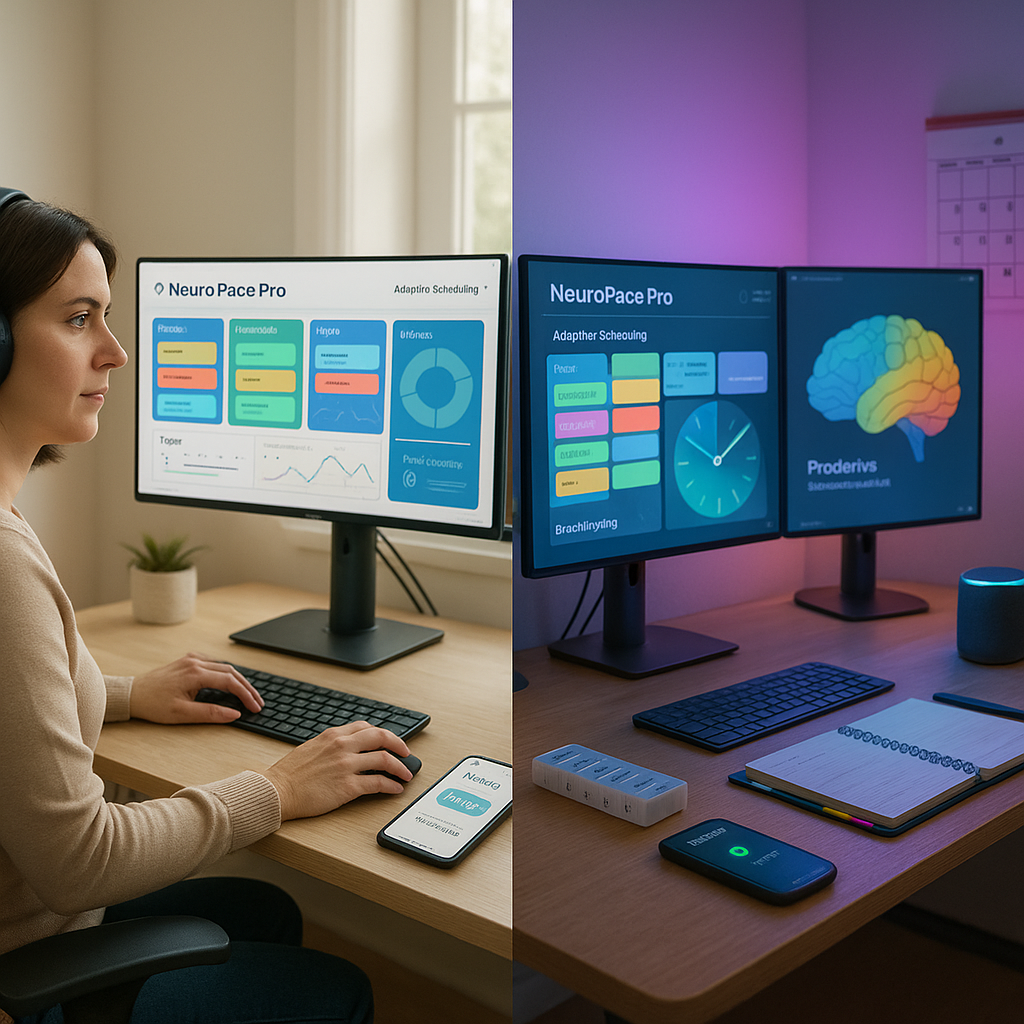
Leading childcare apps are implementing ADHD-specific features following user feedback about traditional planning tools. FamilyTime and Cozi have announced updates that include visual time management systems and micro-reminder technology designed to support executive function.
These features rethink classic productivity systems with neurodivergent needs in mind, emphasizing immediate rewards and context-based reminders. Beta tests report a 63% improvement in consistent routine management when using these specialized tools.
Technology developers are working with ADHD coaches to ensure products align with neurodivergent thinking patterns. This marks a growing recognition of ADHD as a different operating system that requires compatible tools, rather than being defined only by deficits.
Also Today: Fitness Strategies
Rhythm-Based Workout Programs Show Promise for ADHD
Researchers at Northwestern University report that rhythm-based exercise programs may be especially effective for individuals with ADHD. The study found activities with strong rhythmic components improved participants’ attention spans by 47% compared to traditional exercise programs.
Participants taking part in drumming-based fitness, dance cardio, and synchronized rowing demonstrated significant gains in physical health and attention regulation. Researchers observed that predictable rhythms appeared to activate reward pathways in the ADHD brain.
Dr. James Thornton, principal investigator of the study, noted that individuals with ADHD often show heightened rhythm sensitivity, which can offer advantages in certain exercise contexts. This natural tendency may explain why many report improved focus during music-driven activities.
Life Time Fitness Launches ADHD-Friendly Programs
Life Time Fitness announced it will introduce specialized programs for neurodivergent adults at 50 locations starting 15 February 2026. The “Neuro-Rhythm” classes will use evidence-based methods including beat-driven interval training and gamified strength circuits.
The development team included fitness professionals with ADHD who contributed insights on maintaining engagement and reducing barriers to regular exercise. Each class incorporates multiple sensory options to suit different stimulation needs.
Life Time’s chief programming officer stated that the initiative meets a growing demand for inclusive fitness solutions. She said traditional workouts often present unnecessary challenges for neurodivergent individuals, from overwhelming sensory experiences to non-adaptive instruction formats.
What to Watch: Key Dates and Events
- The Congressional Subcommittee on Mental Health Access will conduct hearings about ADHD medication shortages and insurance coverage limitations on 20 January 2026. Patient advocacy organizations and pharmaceutical representatives will participate.
- Life Time Fitness will launch its Neuro-Rhythm program with free demonstration classes at participating locations nationwide on 15 February 2026. Registration opens on 12 January 2026.
- The National Institute of Mental Health will publish updated ADHD treatment guidelines incorporating telehealth recommendations on 1 February 2026, with guidance on prescription protocols and virtual assessment standards.
Conclusion
The sharp rise in ADHD prescriptions among young adults highlights changing awareness and evolving care expectations, adding pressure to already strained systems facing funding freezes and accessibility issues. Recent developments in technology and fitness reflect a broader shift toward tailored ADHD news and approaches that respect neurodivergent needs. What to watch: Congressional hearings on medication shortages on 20 January, new telehealth guidelines on 1 February, and inclusive fitness program launches on 15 February.


Leave a Reply