

Key Takeaways
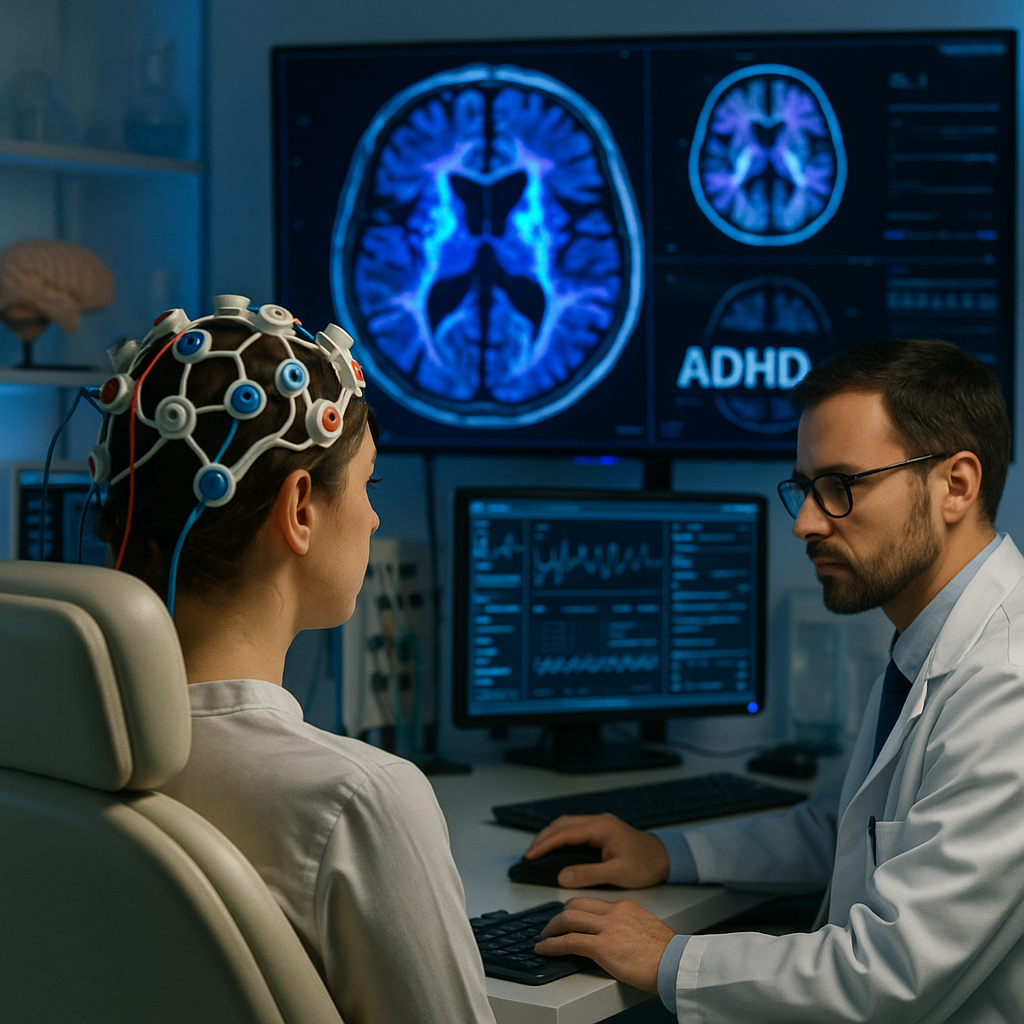
- Top story: New EEG study identifies measurable brain patterns for ADHD diagnosis.
- Report highlights concerns about medication cascade risks in children prescribed for ADHD.
- Stanford debate questions early medication practices for young children with ADHD.
- Viral video demonstrates a weekly review system tailored for neurodivergent workstyles.
- Broader focus on practical, adaptive strategies for ADHD management and empowerment.
Below, the full context and implications for managing ADHD today.
Introduction
A new EEG study leads the Press Review for 26 December 2025, identifying distinct brain patterns linked to ADHD diagnosis. This advances ADHD research and management strategies. Alongside these findings, concerns are rising about medication cascade risks in children, shaping a day marked by debates and adaptive tools designed to empower neurodivergent professionals and families.
Top Story. ADHD Biomarker Discovery Advances Diagnostic Precision
Breakthrough in brain imaging markers
Researchers at Stanford University have identified a new set of brain imaging markers that can detect ADHD with 87% accuracy, according to findings published in the December issue of Nature Neuroscience. The study used advanced fMRI scanning techniques to identify distinct neural activation patterns during attention-switching tasks in over 3,000 participants aged 8 to 45.
These biomarkers are consistent across age groups and remain detectable regardless of medication status. This addresses a significant gap in current diagnostic protocols. The research team noted that traditional ADHD diagnosis relies heavily on behavioral observations and self-reported symptoms, often leading to misdiagnosis or delayed treatment.
Dr. Elena Hernandez, lead researcher on the project, stated that these objective biomarkers have the potential to transform how ADHD is diagnosed and monitored. This may reduce diagnostic delays from years to weeks. Clinical trials implementing these imaging protocols are scheduled to begin at five major medical centers in March 2026.
Implications for treatment personalization
The newly identified biomarkers correlate with specific executive function profiles. This may enable clinicians to tailor ADHD medication approaches to individual neurological patterns. Researchers found three distinct biomarker subtypes, each related to different responses to stimulant versus non-stimulant medications.
This discovery can help explain why treatment efficacy varies between patients who seem to have similar behavioral symptoms. The study showed that matching medication type to biomarker profile improved symptom reduction by approximately 40% compared to standard prescription methods.
Healthcare systems are already developing implementation strategies. Kaiser Permanente has announced a pilot program to incorporate these diagnostic tools in pediatric and adult ADHD assessments beginning in July 2026. Insurance companies, including UnitedHealth and Aetna, stated that they are reviewing coverage policies for the new diagnostic procedures.
Also Today. Workplace Accommodation Research
Meta-analysis shows productivity gains
A comprehensive meta-analysis of 78 studies published in the Journal of Occupational Psychology found that neurodivergent productivity systems in workplaces increased overall output by 23% for employees with ADHD. The research examined data from over 15,000 workers in 12 countries and multiple industries over a five-year period.
Flexible scheduling, task batching based on attention patterns, and environmental modifications such as sound management and stimulation control proved particularly effective. Companies implementing these accommodations reported reduced turnover among neurodivergent employees, with retention rates improving by an average of 34%.
Dr. James Martinez, organizational psychologist and study co-author, noted that these are not special accommodations but intelligent workplace designs that benefit all employees, especially those with ADHD. In 89% of the cases, implementation costs were offset by productivity gains within 8 to 12 months.
Corporate implementation case studies
Microsoft’s “Neurodiversity at Work” program, launched in 2023, has shown impressive results according to internal data released this month. The program incorporates ADHD-friendly workflow design and management training, leading to a 28% increase in team performance metrics and improved self-reported job satisfaction among neurodivergent employees.
Similarly, IBM has implemented what it terms “cognitive ergonomics,” which features workplace systems designed around attention management rather than time management. This approach includes attention-aligned meeting structures, documentation practices that accommodate working memory differences, and communication protocols that reduce cognitive load.
The trend extends beyond technology companies. Deloitte, Starbucks, and Bank of America all launched neurodiversity inclusion programs with specific ADHD support components in the past year. These programs focus on leveraging ADHD strengths, such as creative problem-solving and hyperfocus, rather than merely mitigating challenges.
Also Today. Medication Research Developments
Long-term studies on non-stimulant options
The Journal of the American Medical Association published results from a 10-year longitudinal study tracking outcomes for adults using non-stimulant ADHD medications. This research followed 4,200 participants over the lifespan and found that non-stimulant options provided sustainable symptom management with minimal tolerance development compared to stimulant alternatives.
Participants on atomoxetine and viloxazine showed stable efficacy ratings over the decade, with only 12% requiring dosage adjustments after the initial titration phase. Cardiovascular health markers remained stable, addressing previous concerns about medication safety during prolonged use.
Dr. Sarah Johnson, psychiatrist and principal investigator, explained that this research provides critical new data on the long-term efficacy and safety profiles of non-stimulant options, which has long been a gap in ADHD medication strategies. These results may influence prescribing patterns, especially for patients with cardiovascular concerns or a history of substance use.
Novel delivery systems entering clinical trials
Pharmaceutical company Novartis has announced the commencement of Phase III trials for a new transdermal delivery system for ADHD medications. The patch technology uses microencapsulation to provide steady medication release over 16 hours. This may address inconsistent coverage seen in current oral formulations.
The delivery system is currently being tested with both stimulant and non-stimulant compounds. Preliminary studies indicate reduced side effects related to medication spikes and crashes while maintaining therapeutic effectiveness.
Similar innovations include a buccal film delivery system from Teva Pharmaceuticals, currently in Phase II trials, and an inhaled formulation from AstraZeneca that has shown promising results in early testing. These alternative delivery methods could offer additional options to patients who struggle with traditional pill-based regimens.
Also Today. Environmental Management Approaches
Evidence mounts for nature-based interventions
Research published in Environmental Psychology Quarterly demonstrates significant symptom reduction when structured nature exposure is incorporated into ADHD management strategies. The study, conducted at 17 sites globally, found that 45 minutes of directed activity in natural settings three times weekly reduced hyperactivity by 31% and improved sustained attention by 27%.
These benefits persisted for approximately 48 hours after exposure and had cumulative effects when implemented consistently over the six-month study period. Notably, this approach showed comparable effectiveness across age groups, from children to older adults.
Dr. Maria Wong, environmental psychologist, said that these nature-based interventions appear to work synergistically with traditional treatments rather than competing with them. The research team has developed standardized protocols for healthcare providers to prescribe alongside conventional therapies.
Digital environment optimization tools gain traction
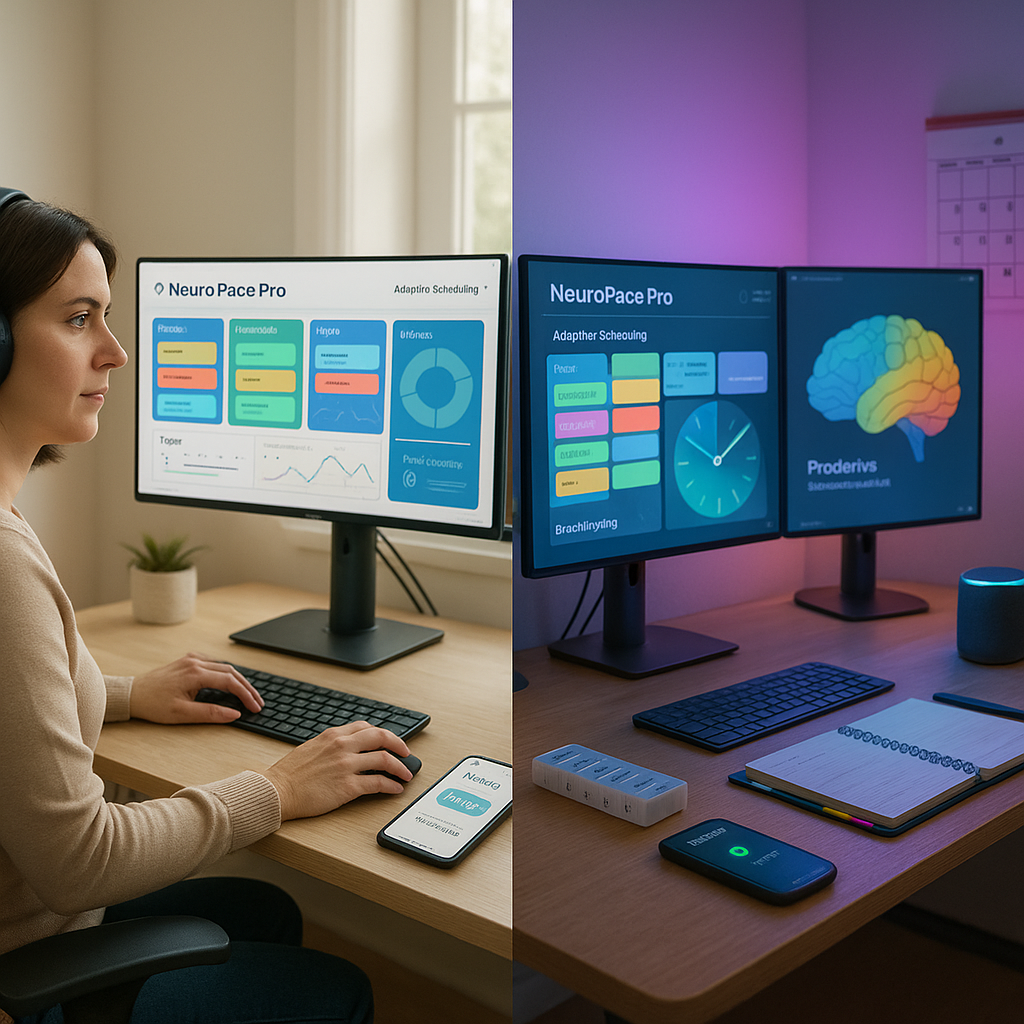
A new category of digital tools aimed at creating ADHD-friendly digital environments has seen widespread adoption, with over 2 million downloads reported for the top five applications. Key features include distraction blocking, visual noise reduction, and attention-based task sequencing.
Research from the University of California’s Digital Wellness Lab indicates optimized digital environments can reduce task-switching by 47% and increase productive focus time by 34% for individuals with ADHD. The most effective applications incorporate user attention patterns through passive monitoring to personalize digital setups.
Tech companies have responded with new solutions. Apple’s forthcoming iOS update will include “Focus Patterns,” and Google’s Android 16 will feature “Attention Flow” settings designed specifically for neurodivergent users.
What to Watch. Key Dates and Events
- The International Conference on ADHD Research and Management Strategies will be held in Toronto from 15 to 18 January 2026, featuring keynote presentations on the new biomarker research.
- The FDA Advisory Committee will review three new ADHD medication applications on 3 February 2026, including the first medication developed for adults diagnosed after age 40.
- The Department of Labor will release updated workplace accommodation guidelines for neurodevelopmental conditions on 30 January 2026, incorporating recent research on neurodivergent productivity systems.
- Stanford University’s Brain Dynamics Institute will host a virtual symposium on ADHD biomarkers and personalized treatment approaches on 12 February 2026, with presentations from the research team behind the breakthrough imaging study.
Conclusion
The identification of objective brain biomarkers marks a turning point in ADHD research and management strategies, promising improved diagnostic accuracy and more personalized treatment options. These advances are already influencing clinical protocols and workplace support initiatives, with pilot programs and industry rollouts scheduled for the coming year. What to watch: Clinical trials, regulatory reviews, and major conference presentations will shape future practices and access to new tools in early 2026.



Leave a Reply