

Key Takeaways
- Networking with ADHD is not about squeezing yourself into a neurotypical mold. It’s about leveraging the unique strengths and strategic approaches that help neurodivergent minds build authentic, resilient business relationships. Whether you grapple with social anxiety, forget names, or dislike small talk, the right tactics can flip your challenges into powerful networking advantages. Here are the essential takeaways to create ADHD-friendly networking that feels natural, rewarding, and distinctly yours.
- Transform hyperfocus into a relationship catalyst. Direct your ability to deeply engage with topics or individuals that genuinely interest you. This focused intensity makes your conversations memorable and helps forge deeper professional bonds, especially within targeted or niche communities like startup hubs, creative industries, or advocacy groups.
- Let authentic curiosity guide you, not scripted small talk. Pose unconventional questions, share your honest perspective, and use your creative mindset as an asset. Genuine curiosity naturally attracts connections who value realness, a trait respected across sectors from healthcare to technology and education.
- Use tech-assisted follow-ups to support consistency. Tools like calendar reminders, CRM apps, or digital notes prompt stress-free follow-through. This approach keeps promising contacts from slipping away, whether you’re reconnecting with a new client in finance, a collaborator in marketing, or a mentor in academia.
- Select networking environments that match your neurodivergent wiring. Decide between online versus in-person events based on your comfort level. Virtual communities, curated forums, and smaller gatherings often minimize sensory overload, making it easier to hold meaningful discussions and avoid the drain of overstimulation.
- Master name recall with creative memory techniques. Employ visual association, mnemonic devices, or smart note-taking to remember names and key details. This transforms a traditional pain point into a networking superpower. This skill is invaluable across client services, legal, and healthcare settings where relationship depth matters.
- Support executive function with structured rituals. Use checklists for preparation (outfit, elevator pitch, talking points) and post-event debriefs. This structure ensures follow-through and transforms what could be overwhelming into manageable steps, fueling reliable professional growth in any industry.
- Ease social anxiety by pacing yourself. Build natural breaks into your schedule, limit event duration, or bring a supportive “networking buddy” along. Allow yourself moments to recharge, keeping your nervous system calm and your energy sustainable, especially in high-stress sectors like law or entrepreneurship.
- Expand your network by embracing niche passions. Get involved in groups, forums, or events centered on your real interests. Dedicated enthusiasm makes you stand out, drawing in allies who recognize and appreciate neurodivergent brilliance, be it in environmental advocacy, tech, or creative arts.
- Turn communication quirks into connection glue. If you sometimes miss cues or lose the conversational thread, share this openly and with humor. Most people remember genuine communication over polished delivery, building bonds grounded in honesty and mutual respect.
- Reframe ADHD as a unique networking asset. Let your creativity, passion, and innovative thinking shine, especially in industries where authenticity and out-of-the-box approaches spark change. When you recognize these qualities as strengths, your relationships grow deeper and more impactful.
Equipped with these strategies, you can transform networking into an opportunity that aligns with your brain. Business connections become not just achievable but genuinely rewarding. Let’s now break down these strategies further, exploring how to manage social anxiety, harness technology, and turn your neurodivergence into your networking edge.
Introduction
Networking is not about pretending to be someone else. It is about embracing the unique quirks of your mind and letting them become the magnet for genuine business connections. For neurodivergent professionals, classic advice like “have your elevator pitch ready” or “never forget a name” often misses the messy brilliance (and the real challenges) of networking with ADHD.
Imagine if you could turn executive function hiccups, fluctuating energy, and even the occasional awkward silence into relationship-building fuel. By leaning into specialized ADHD networking strategies, such as inventive memory aids, curiosity-driven questions, and handy tech reminders, you can cultivate a network that is not only sustainable but also refreshingly authentic. In this guide, we will explore practical, real-world approaches so your neurodivergent strengths become the reason people remember and value you.
Strategy 1: Prepare with Purpose. Pre-Networking Routines That Actually Work
Create a Flexible Game Plan
Walking into a networking event unprepared is like stepping on stage without a script, especially for ADHD professionals. To reduce overwhelm and find focus, develop a pre-networking routine tailored to your needs.
Start by setting practical, brain-friendly goals. Swap “I need to meet 20 people tonight” for “I’ll have three meaningful conversations about my current project.” This shift transforms networking from a stressful numbers game into a series of achievable, fulfilling interactions.
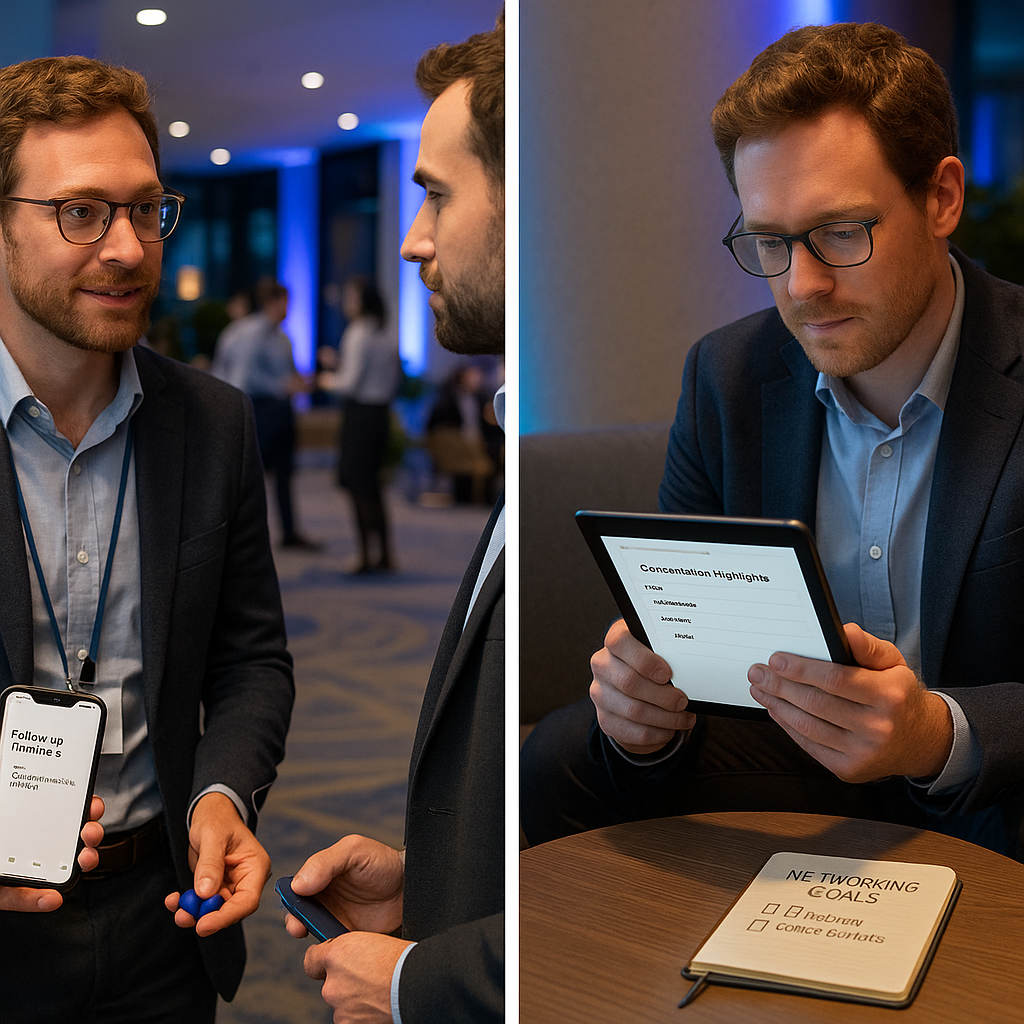
Try making a physical or digital “networking intention card” with 2-3 objectives. Add a couple of conversation starters about subjects or projects you’re genuinely excited to discuss. This visible reminder keeps you grounded and ready, even if nerves hit or your mind goes blank.
Leverage Hyperfocus for Targeted Research
Channel your ADHD hyperfocus into researching key speakers or attendees before the event. Authentic interest turns even intimidating strangers into approachable allies.
Keep the research focused:
- Set a time limit (about 30-45 minutes) to avoid getting sidetracked.
- Prioritize 3-5 people who align with your interests or goals.
- Note their recent projects or passions that could spark organic conversation.
- Save key points to your phone for easy, discreet reference during the event.
An ADHDink community member shared, “I used to steer clear of networking. Prepping just 30 minutes before, I look up three speakers and dive into their latest work. Bringing it up surprises them and helps me feel comfortable, not anxious.”
Environment Preparation Checklist
Stack the deck in your favor by planning for sensory and executive function challenges.
- Physical Comfort: Wear comfortable, non-distracting clothing.
- Sensory Support: Bring noise-canceling earbuds or fidget tools for breaks.
- Executive Function: Schedule a snack beforehand to stabilize energy and mood.
- Medication Considerations: If you use medication, time your dose to be most effective during the event.
- Exit Strategy: Set a realistic time to leave, avoiding post-event burnout.
Tackling these details ahead of time frees your mental energy for meaningful conversations. Building a thoughtful pre-networking routine offers the stability needed to explore and connect, creating a smooth on-ramp to the dynamic social interactions that follow.
As these habits become part of your toolkit, you’ll find transitioning into real-time networking (even in stimulating or unpredictable environments) is less daunting and more productive.
Strategy 2: Master the “Interest-First” Approach to Memorable Conversations
Lead with Genuine Curiosity
Many guides push the idea of perfecting your elevator pitch, but for professionals with ADHD, sparking real connection often starts with asking meaningful questions. This “interest-first” style leverages a core ADHD strength: boundless curiosity.
Skip rehearsed intros. Open conversations with thoughtful questions about the other person’s work or passions. This relieves social pressure, encourages true connection, and positions you as an engaging listener, a quality appreciated whether you’re in healthcare, marketing, tech, or the arts.
Keep a short list of go-to, open-ended questions handy:
- “What’s been your most memorable project lately?”
- “What part of your work excites you most right now?”
- “How did you get started in your field?”
These prompts lead to easy, authentic exchanges. You naturally share your own stories when relevant, without struggling to perform.
Use the 2:1 Listening Ratio
Balance the flow by practicing a 2:1 listening-to-speaking ratio. For every minute you talk, spend at least two listening.
This ratio creates benefits across industries:
- It lowers anxiety by shifting focus from yourself to others.
- It grows rapport as people feel truly heard, a secret weapon in client relationships and team collaborations.
- It provides clear conversational cues, reducing awkward silences or tangents.
- It builds memory anchors, making it easier to recall names and key connections later.
One business owner explained, “Trying to impress at every turn was exhausting. By listening actively, I found I remembered much more about people—and they remembered me too.”
Exit Conversations Smoothly
Navigating the end of a chat can be tough for anyone, but especially those with ADHD who may worry about abruptness. Prepare genuine transition phrases:
- “It’s been great learning about your work. Would you mind if I contact you to continue the conversation?”
- “I want to make sure I say hello to a few others tonight. Can we exchange contacts?”
- “This has been inspiring. Would a follow-up next week work for you?”
Having these in your back pocket eases the mental strain of finding a polite exit and leaves a positive, lasting impression.
The interest-first approach transforms every encounter into a shared discovery process, helping you build bridges across business, health, education, and creative fields. This sets you up to leverage your most vibrant quality next: boundless enthusiasm.
Strategy 3: Harness Your Natural Enthusiasm as a Networking Strength
Show Up As Yourself. Authenticity Beats Perfection
Many ADHD professionals try to hide their animated energy, thinking it’s unprofessional. In reality, enthusiasm is one of your greatest assets. It connects, inspires, and sticks in people’s memory.
Instead of dialing down excitement, identify 2-3 topics in your field that light you up. Give yourself permission to let your passion show when these subjects arise. In any industry, noticing and celebrating what makes you excited increases the likelihood of finding partners and allies who share your vision.
The 60-Second Enthusiasm Check-In
Sometimes, you might feel pressured to network with “important” people instead of those who genuinely intrigue you. Give yourself a moment to ask:
- “Does anything about this person’s experience or field capture my interest?”
- “Could I learn from their unique perspective?”
- “Is there an unexpected but exciting link between our work?”
This self-check recalibrates your focus toward connections that give you energy. When conversations are grounded in mutual curiosity, they leave both parties feeling charged rather than drained, crucial for maintaining stamina in demanding professions.
A marketing professional with ADHD reflected, “My network grew quickly when I stopped forcing conversations with people I thought I should know and started connecting with those who actually inspired me. The result? Better collaborations and less burnout.”
Channel Hyperfocus Into Powerful Listening
Hyperfocus can either push you deep into meaningful dialogue or keep you scanning the room. When you notice genuine interest, let yourself fully invest in the moment.
- Admit when someone’s story grabs you.
- Use energy cues (like nodding, leaning in) to show engagement.
- Ask follow-up questions that build on what you hear, whether it’s in a clinical setting, a legal seminar, or a creative workshop.
People remember those who truly listen and care, especially in sectors where meaningful relationships drive success.
By leaning into your authentic enthusiasm and pairing it with curiosity, you lay the groundwork for follow-up systems that keep these great connections strong.
Strategy 4: Develop a Friction-Free Follow-Up System
The 48-Hour Rule for Reliable Connection
Timely follow-up can be the Achilles’ heel for ADHD professionals. Forgotten messages or too-late replies can cost opportunities across every field. Committing to a 48-hour follow-up rule provides just enough structure to keep you on track without creating stress.
After each event or conversation, prioritize reaching out (even briefly) within 48 hours. This window is manageable for most schedules and ensures your new contact still remembers the interaction.
Implementation tip: As soon as you get home, or even on your way back, jot quick follow-up notes in your phone or a dedicated CRM app. Set a calendar reminder to send a short message that references your conversation, expresses appreciation, and suggests a next step (a virtual coffee, sending a helpful article, or sharing a resource). This system helps you maintain momentum with new connections in fast-moving industries like finance, healthcare, or creative media.
Use Digital Tools to Take the Pressure Off
Leverage technology as an executive function ally. Digital note-taking apps, contact management systems, and calendar plugins can automate follow-ups, trigger reminders, and store relevant details.
- Use voice memos if typing is overwhelming right after an event.
- Snap photos of business cards and save a note about where you met.
- Set up auto-reminders for annual check-ins with less-frequent contacts.
By reducing the cognitive load and making the process nearly automatic, you dramatically increase consistency and follow-through, key to nurturing long-term, high-value relationships in business, academia, or nonprofit sectors.
As you integrate these systems, networking shifts from a source of anxiety to an ongoing practice that adapts to your brain’s needs.
Conclusion
Thriving as a neurodivergent professional in networking is not about adopting a new persona or battling your quirks. It’s about spotlighting your true strengths and designing systems that empower you. When you prepare with purpose, guide conversations with genuine curiosity, and let your authentic enthusiasm shine, networking transforms from overwhelm to opportunity.
By using flexible routines, interest-driven questions, environment-aware strategies, and streamlined follow-up tools, you turn past hurdles into enduring skills. These techniques are not just tricks; they are frameworks for authentic, lifelong relationship building that enrich careers in every field, from tech to teaching to health care and beyond.
The world increasingly values difference, and neurodivergent approaches set a new standard for depth, creativity, and impact in professional interactions. Looking forward, those who embrace their unique wiring and proactively implement ADHD-friendly strategies will not only stand out, but redefine what successful networking looks like. The invitation is simple: step into each room as your unapologetically brilliant self. In doing so, you pave the way for meaningful connections, authentic growth, and a network that works for you, on your terms.




Leave a Reply