

Key Takeaways
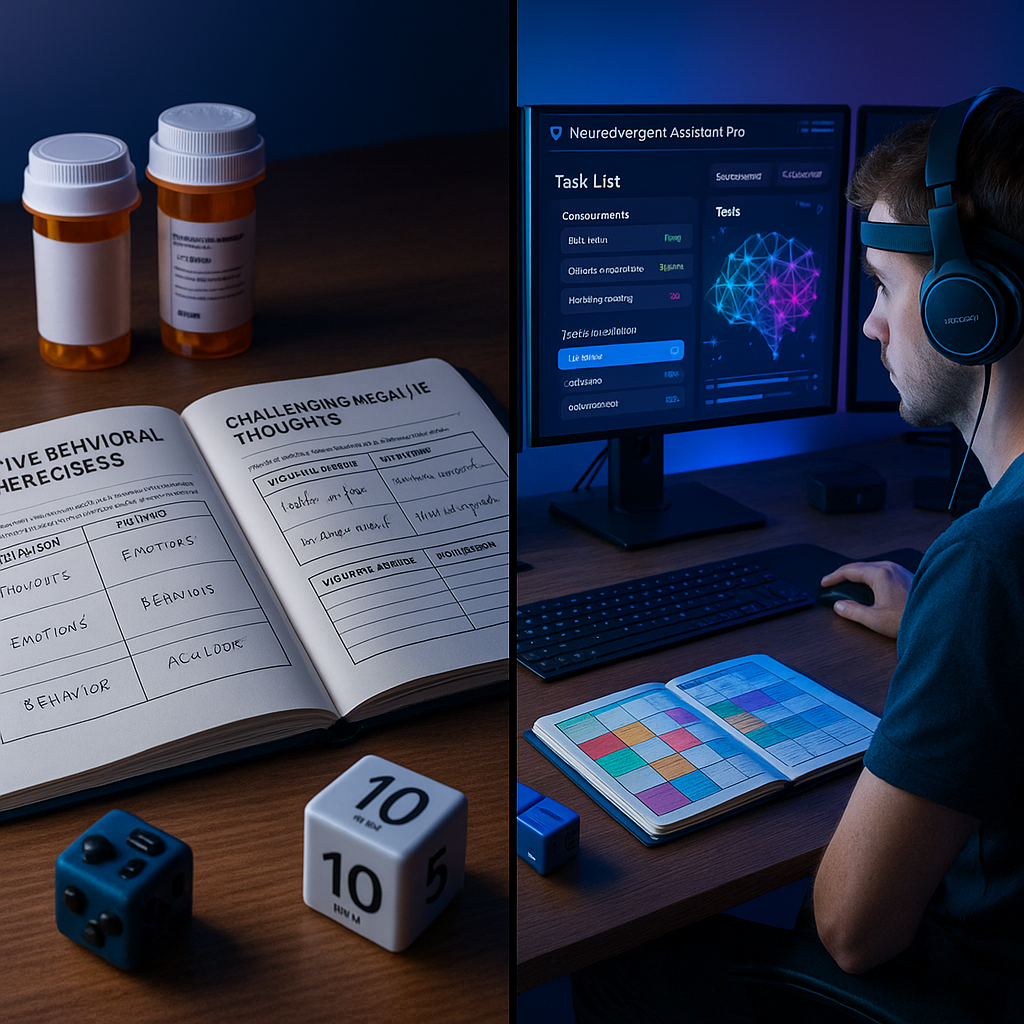
- Top story: Evidence confirms medication and CBT as the most effective ADHD management options to date.
- New AI productivity app launches, built specifically with neurodivergent workflows in mind.
- Research reveals a correlation between increased screen time and small rises in ADHD symptoms.
- ADHD awareness campaigns spark debate, as some experts caution about inaccurate self-diagnosis among young adults.
- What to watch: Uptake of AI-driven tools within ADHD and neurodivergent communities in the coming months.
Introduction
A comprehensive review released on 27 November 2025 confirms medication and cognitive behavioral therapy as the most effective ADHD management approaches. This offers fresh clarity for clinicians and neurodivergent professionals. Today’s roundup also examines new technology, including an AI-powered productivity app tailored to neurodivergent users, alongside ongoing discussions about screen time and self-diagnosis in the evolving landscape of ADHD support.
Top Story
Combined Medication and CBT Shows Greatest ADHD Improvement
A new meta-analysis published in the Journal of Attention Disorders demonstrates that combining medication with Cognitive Behavioral Therapy (CBT) produces significantly better outcomes for adults with ADHD than either approach alone. The study analyzed data from 32 clinical trials involving over 4,200 participants and found that this combination improved executive function by 43 percent, compared to 27 percent for medication alone and 21 percent for CBT alone.
Researchers noted that the benefits were particularly pronounced in professional settings. Dr. Maria Chen, the study’s lead author, stated that participants using the combined approach reported greater ability to manage time-sensitive projects, maintain focus during meetings, and successfully navigate complex workplace interactions.
Following these findings, the American Psychiatric Association has announced a review of its clinical guidelines. The organization plans to convene an expert panel in January to consider updating recommendations for adult ADHD treatment protocols.
Also Today
Tech for Neurodivergence
Several technology companies have launched AI-powered tools specifically designed to address ADHD-related challenges in the workplace. Neurodivergent Assistant Pro, created by a team of neurodivergent programmers, offers features such as dynamic task prioritization that adjusts to energy fluctuation patterns and context-aware reminders that suggest breaks during hyperfocus episodes.
Early user testimonials indicate high satisfaction rates. Jordan Martinez, a marketing consultant who participated in beta testing, commented that these tools better accommodated his ADHD needs compared to standard productivity platforms.
The software integrates with existing workplace platforms, including Slack, Microsoft Teams, and Google Workspace, supporting seamless organizational adoption. Developers emphasized that privacy protections were central to the design, with all processing occurring locally on users’ devices.
A recent clinical trial of the FocusWave headband, which uses low-level neurostimulation to support attention regulation, reported positive preliminary results. The wearable device, designed to resemble ordinary headphones, demonstrated a 36 percent improvement in sustained attention tasks among participants with ADHD compared to placebo controls.
The technology delivers targeted micro-pulses that help stabilize activity in frontal lobe regions associated with executive function. Dr. James Wilson, who led the independent evaluation team, explained that users maintained benefits even outside active device wear.
The FDA has granted the device breakthrough designation status, potentially expediting its path to market. Several major employers in the technology and professional services sectors have expressed interest in including the device in workplace accommodation programs.
Awareness & Risks
Recent research from the University of California indicates that women typically wait 7.3 years longer than men to receive an ADHD diagnosis, even when symptom severity is equivalent. The study reviewed medical records of 5,600 adults diagnosed with ADHD after age 18 and found that women’s symptoms were often misattributed to anxiety, depression, or personality factors.
Dr. Rebecca Johnson, study co-author, underlined the professional impact of this delay, stating that many women developed complex compensation strategies at work at significant personal cost.
In response, several professional organizations have announced initiatives to narrow the diagnostic gap. The American Medical Association intends to release updated screening guidelines that better reflect how ADHD presents in women, particularly in the workplace.
Additionally, the FDA has issued warnings about 14 supplements marketed as “natural ADHD remedies” that were found to contain undisclosed pharmaceutical ingredients. Laboratory analysis identified prescription stimulants in several products, posing significant health risks to consumers.
Consumer protection advocates are calling for stronger regulatory oversight of the neurocognitive supplement industry. Alicia Ramirez, spokesperson for Consumer Safety Watch, emphasized the necessity for accurate information and safe products. Health experts recommend that individuals consult healthcare providers before trying supplements. Dr. Thomas Ballard, a neuropsychiatrist specializing in ADHD management, cautioned that the safety and effectiveness of many supplements do not match marketing claims.
What to Watch
- National Institute of Mental Health webinar “Integrated Approaches to ADHD Management” on 5 December 2025
- Launch of the ADHDConnect mobile app with specialized workplace tools on 10 December 2025
- Publication of updated workplace accommodation guidelines by the Job Accommodation Network on 15 January 2026
- The International Conference on Neurodiversity in the Workplace in Chicago on 3 to 5 February 2026
Conclusion
The confirmed advantage of combining medication with CBT is shaping best practices in ADHD management approaches. Professional guidelines are under review and personalized technology tools are gaining adoption. This evolving environment highlights the importance of targeted interventions across clinical, workplace, and consumer domains. Keep an eye out for new clinical guidelines and technology rollouts in December and January, as these could further shape treatment and support strategies for ADHD.



Leave a Reply